

TL;DR:
Eating patterns and nutrient choices influence aging and healthspan more than genetics alone.
Prioritizing whole plant foods, healthy fats, and balanced protein supports cellular repair, mitochondria, and inflammation control.
Combining these dietary habits with lifestyle factors can enhance vitality, reduce pain, and extend lifespan.
Most Americans assume how they age is written in their DNA, but that belief may be costing them years of vibrant, pain-free living. Research shows that nutrition shapes longevity by preserving vitality, movement, cognition, and sensory function well into later decades, areas where your daily food choices carry far more weight than your genetic blueprint. The way you eat influences inflammation levels, cellular repair, gut health, and energy production simultaneously. That means every meal is genuinely an opportunity to either accelerate decline or actively protect your healthspan.
Key Takeaways
| Point | Details |
|---|---|
| Nutrition powers longevity | Strategic nutrition choices activate pathways that slow aging and extend healthspan. |
| Mediterranean patterns work | Diets rich in plants, healthy fats, and moderate fish are strongly linked to longer, healthier lives. |
| Gut health boosts vitality | Fiber and polyphenols feed gut bacteria, improving immunity and reducing age-related inflammation. |
| Personalization enhances results | Adjusting diet based on activity, age, and health markers maximizes benefits and minimizes risks. |
| Holistic approach is key | Combining nutrition with exercise, sleep, and mindset changes creates sustainable wellness. |
Why nutrition is central to longevity: The science explained
Food is far more than fuel. At the cellular level, your dietary choices flip molecular switches that either slow aging or speed it up. Understanding these switches gives you real leverage over how you feel at 55, 65, or 75.
Three nutrient-sensing pathways sit at the center of this process:
-
AMPK (AMP-activated protein kinase): Think of this as your cellular energy sensor. Caloric restriction and certain plant compounds activate AMPK, which triggers cellular repair and reduces the metabolic dysfunction tied to aging.
-
Sirtuins: These proteins regulate DNA repair, inflammation, and mitochondrial health. Polyphenols found in berries, red grapes, and green tea help activate sirtuins, essentially turning on your body’s maintenance crew.
-
mTOR (mechanistic target of rapamycin): When chronically overactivated by excess protein and sugar, mTOR accelerates cellular aging. Moderate, well-timed protein intake and fasting periods keep mTOR in a healthier range.
Research confirms that key longevity mechanisms include these nutrient-sensing pathways, along with support for genomic stability, mitochondrial function, antioxidant defense, autophagy (cellular cleanup), and reduced inflammation. Each of these processes responds directly to what you eat.
“The food you put on your plate today is a signal to your cells about what the future looks like.”
Strong mitochondrial health and longevity depends on key nutrients including CoQ10, B vitamins, magnesium, and alpha-lipoic acid. When mitochondria work efficiently, your energy levels improve, your muscles recover faster, and your brain stays sharper. Nutrients that support mitochondria are not optional extras; they are the engine oil keeping everything running. You can explore supplements for vitality that specifically target these pathways for additional support.
Dietary patterns linked to longer life: Mediterranean, Blue Zones, and beyond

Science does not just point to individual nutrients. It points to entire eating patterns. The evidence behind Mediterranean, DASH, plant-based, and Blue Zones diets is among the most consistent in all of nutritional research.
How these diets compare
| Dietary Pattern | Core Foods | Key Benefit |
|---|---|---|
| Mediterranean | Olive oil, fish, legumes, whole grains, vegetables | Reduced cardiovascular risk, lower inflammation |
| Blue Zones | Sweet potatoes, beans, greens, moderate fish | Telomere protection, reduced all-cause mortality |
| DASH | Low sodium, fruits, vegetables, lean protein | Blood pressure control, kidney health support |
| Plant-based | Whole plants, minimal animal products | Gut diversity, lower cancer and diabetes risk |
Higher diet quality across these patterns consistently reduces all-cause mortality and extends life expectancy, regardless of frailty status, according to UK Biobank data. That finding matters deeply for people in midlife because it suggests it is never too late to benefit from improving your diet.
What do these patterns share? At their core, they all emphasize:
-
At least 80% of calories from whole plant foods
-
Generous amounts of colorful vegetables and leafy greens
-
Daily legumes (lentils, chickpeas, beans)
-
Whole grains instead of refined carbohydrates
-
Nuts and seeds as regular snacks
-
Olive oil as the primary fat source
-
Moderate fish and dairy, minimal red meat
-
Very little processed food or added sugar
Blue Zones communities in places like Okinawa and Sardinia demonstrate how polyphenol-rich, plant-dominant diets modulate hallmarks of aging such as telomere attrition and epigenetic changes at the cellular level. Their food culture is not a diet plan. It is a way of life built around whole, local, minimally processed ingredients.
Statistic worth noting: Consistent adherence to Mediterranean-style eating can add up to 3.2 years of life expectancy by age 45, based on large-scale population data. That is not a marginal benefit. That is years of playing with grandchildren, staying active, and feeling genuinely well.
Pairing these dietary patterns with evidence-based supplements for longevity can help fill nutritional gaps that even the best diets sometimes leave. And the role of fiber in all these patterns is so important that we have a dedicated fiber health benefits guide worth reading.
Gut health, immune function, and the anti-inflammaging effect
Diet patterns matter enormously, but their real power shows up in your gut. The trillions of microorganisms living in your digestive tract are a master control system for inflammation, immunity, and even mood.
“Inflammaging” is the term researchers use for the low-grade, chronic inflammation that quietly drives most age-related diseases, from arthritis to cognitive decline to cardiovascular disease. What you eat is the single most powerful modulator of this process.
Plant-based diets rich in fiber and polyphenols promote beneficial gut bacteria like Akkermansia muciniphila and Bifidobacterium, which strengthen gut barrier integrity and keep the immune system balanced. When the gut barrier is intact, fewer inflammatory compounds leak into the bloodstream. The result is less systemic inflammation and less day-to-day pain.
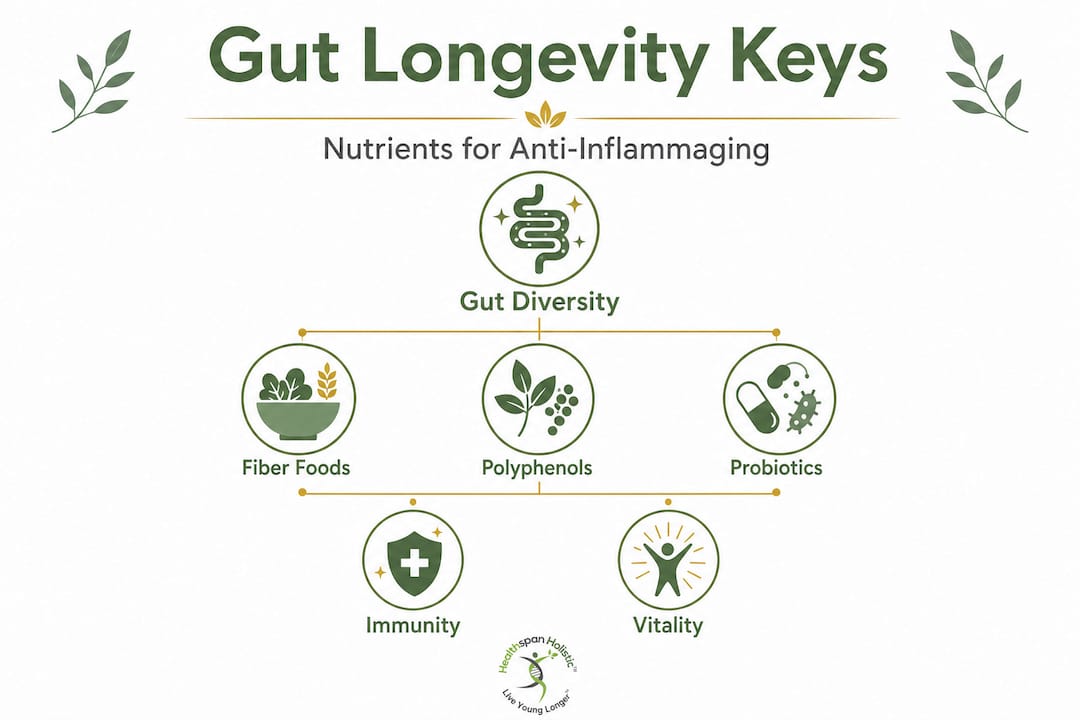
Here is what supports a healthy, diverse microbiome:
| Food Category | Examples | Gut Benefit |
|---|---|---|
| High-fiber vegetables | Artichokes, leeks, asparagus | Feed beneficial bacteria |
| Fermented foods | Yogurt, kefir, sauerkraut, kimchi | Introduce live cultures |
| Polyphenol-rich foods | Berries, dark chocolate, green tea | Support Akkermansia growth |
| Legumes | Lentils, black beans, chickpeas | Produce short-chain fatty acids |
| Whole grains | Oats, barley, quinoa | Improve transit and diversity |
What damages your microbiome is equally important to understand. Ultra-processed foods, excess sugar, artificial sweeteners, and alcohol all reduce diversity and encourage inflammatory bacterial populations. Even a few weeks of a high-processed diet can measurably shift your microbiome in the wrong direction.
Diet also directly affects cognition through the gut-brain axis, a bidirectional communication highway connecting your digestive system to your brain. Better gut health supports clearer thinking, more stable moods, and reduced anxiety, benefits that become even more valuable as you age. The connection between fiber and gut health is one of the most actionable areas you can start improving today.
Pro Tip: Aim for 30 different plant foods each week to maximize microbiome diversity. This sounds ambitious, but it counts herbs, spices, nuts, seeds, legumes, fruits, and vegetables. A handful of mixed nuts and a sprinkle of dried herbs can cover three or four plant varieties in minutes.
Personalizing nutrition for age, activity, and health risks
Not everyone over 45 has the same nutritional needs. A 50-year-old who works a desk job has very different requirements than a 68-year-old who exercises five days a week. Generic dietary advice often falls short here.
Here is a practical framework to guide personalization:
-
Sedentary midlife (ages 45 to 60, low activity): Limit excess animal protein, which can overstimulate mTOR without the muscle-building offset that exercise provides. Shift the majority of your plate toward vegetables, legumes, and whole grains. Focus on quality over quantity.
-
Active aging adults (ages 60 to 75, regular exercise): Prioritize protein intake of 30 to 35 grams per meal, distributed throughout the day, to prevent sarcopenia (age-related muscle loss). This is not about eating excessive meat; plant proteins like tofu, tempeh, and lentils count too.
-
Those with kidney health concerns: Excessive animal protein strains kidneys that are already working harder with age. Consult your healthcare provider about protein sources and quantities tailored to your kidney function.
-
Risk of sarcopenia: Muscle loss accelerates after 60 and is a major driver of frailty and falls. Combining protein distribution with resistance training makes a measurable difference.
-
Cardiometabolic risk: Prioritize omega-3-rich fatty fish, soluble fiber from oats and beans, and minimize saturated fat and sodium.
Nutrition alone is powerful, but it amplifies dramatically when paired with broader lifestyle habits, including regular movement, quality sleep, and strong social connections. Each of these lifestyle elements synergizes with nutrition to push your healthspan further than any single change could alone.
Pro Tip: Track your health biomarkers quarterly. Key markers to watch include CRP (a measure of inflammation), grip strength, fasting glucose, and lipid panels. These numbers reveal how well your nutrition strategy is actually working and show where adjustments are needed. Exploring personalized supplementation alongside regular blood testing for longevity helps you move from guessing to knowing.
Integrating nutrition in a holistic lifestyle for vitality and pain reduction
Nutrition is the foundation, but it is not the whole building. The most powerful version of healthy aging happens when food choices work together with movement, sleep, stress management, and human connection.
Mediterranean and Blue Zones patterns with 80% plant-based emphasis combined with lifestyle factors can significantly reduce pain and improve vitality in adults over 45. Here is how to bring these elements together practically:
-
Pair meals with movement: A short walk after meals improves blood sugar regulation, reduces post-meal inflammation, and supports gut motility. Even 10 minutes counts.
-
Align eating with your circadian rhythm: Front-loading calories earlier in the day and avoiding large meals close to bedtime supports hormonal balance and better sleep quality.
-
Consider intermittent fasting (IF) if tolerated: A 14 to 16 hour overnight fast activates autophagy and metabolic repair. IF is not appropriate for everyone, particularly those with a history of disordered eating or certain medical conditions, so speak with your healthcare provider first.
-
Eat socially when possible: Shared meals are a hallmark of Blue Zones communities. Social eating tends to slow the pace of eating, reduce stress hormones, and improve food enjoyment, all factors linked to better digestion and satisfaction.
-
Minimize ultra-processed foods consistently: This single change delivers one of the highest returns on investment in dietary health. Replacing packaged snacks with whole food alternatives reduces inflammatory load dramatically.
Targeted support for supplements addressing energy and pain can complement your dietary upgrades, especially in areas like omega-3 intake, vitamin D, and magnesium where food sources alone may not meet optimal levels. For those exploring cutting-edge support, peptide therapy for vitality represents an emerging area worth discussing with a qualified practitioner.
What most longevity advice misses: The synergy of nutrition, lifestyle, and mindset
Here is a perspective that most mainstream health content avoids: optimizing your nutrition without addressing your mindset and relationships will only take you so far. We have seen this pattern repeatedly. Someone overhauls their diet completely, feels better for a few weeks, then slides back into old habits because the change was built on restriction rather than joy.
Real longevity is not achieved through the most perfect diet. It is built through sustainable patterns you actually want to maintain. The Blue Zones communities did not follow strict meal plans. They ate what grew nearby, shared food with people they loved, and moved because their daily life required it. There was no willpower involved. The environment and culture made the healthy choice the easy choice.
The holistic wellness strategies that stick long-term are the ones that feel good. Not just nutritionally good, but emotionally rewarding. A bowl of homemade lentil soup with friends beats a perfectly optimized protein shake eaten alone, every time, from a longevity standpoint.
We also believe the tracking and monitoring side of health is underused and underappreciated. Most people make changes and hope for the best. But reviewing your biomarkers regularly transforms vague effort into clear feedback. You see what is working, what needs adjustment, and where your body is asking for more support. That kind of data removes the guesswork and replaces it with confidence.
Pro Tip: Celebrate small wins. Swapped white rice for lentils twice this week? That matters. Added a handful of walnuts to your morning routine? That is a real win. Lasting change is not one dramatic overhaul. It is a series of small, enjoyable upgrades that compound over months and years.
Take the next step: Support your longevity journey with expert tools
You now have the science, the strategies, and the framework for using nutrition to genuinely transform how you age. The next step is making it personal.
At Healthspan Holistic, we offer the tools to move from knowing to doing. Our Healthspan Plan combines advanced diagnostics, AI-powered health tracking, and one-on-one coaching to build a nutrition and lifestyle strategy tailored specifically to your body. You can also start with a cellular micronutrient test to discover exactly where your nutritional gaps are, so every change you make is targeted and effective. Ready to talk it through with an expert? Contact Us and let us help you build a plan that actually fits your life.
Frequently asked questions
How quickly can nutrition changes impact longevity markers?
Some benefits, like improved inflammation levels and better metabolic markers, can appear within weeks, though lasting longevity effects build over years. Caloric restriction and intermittent fasting both improve cardiometabolic markers relatively quickly in the short term.
Should older adults prioritize plant-based or protein-rich diets?
Plant-based patterns benefit most older adults, but those who are active should also prioritize adequate protein. Distributing 30 to 35 grams of protein per meal prevents muscle loss while still supporting a primarily plant-forward approach.
Are intermittent fasting and caloric restriction equally effective for longevity?
Both activate key longevity pathways, but current evidence suggests caloric restriction produces comparable if not stronger results than intermittent fasting in humans, with benefits largely dependent on overall calorie reduction.
Can nutrition help reduce chronic pain and improve vitality?
Yes. Adopting Mediterranean and plant-based dietary patterns lowers inflammaging, which directly reduces chronic pain and promotes vitality. Nutrition maintains intrinsic capacity across multiple domains including locomotion, cognition, and energy in aging adults.
Leave a comment: