

TL;DR:
- Diet patterns like Mediterranean and DASH diets significantly reduce depression and cognitive decline risks after 45.
- Essential nutrients such as omega-3s, B vitamins, vitamin D, magnesium, and fiber are crucial for brain health.
- Supporting gut microbiome through fiber and fermented foods enhances mental resilience and reduces inflammation.
Mental health after 45 is not fixed. That belief alone may be holding you back from feeling your best. Research shows a Mediterranean diet reduces depression risk by 55% in adults aged 65 to 97, a number that challenges the idea that genetics or age alone determine how you feel mentally. What you eat, how you move, and how consistently you support your body with the right nutrients can shift your mood, sharpen your thinking, and build emotional resilience at any age. This guide walks you through the evidence, the key nutrients, the gut-brain connection, and the practical steps to start making meaningful changes today.
Key Takeaways
| Point | Details |
|---|---|
| Diet shapes mental health | Eating patterns rich in vegetables, whole grains, and healthy fats can lower your risk for depression and cognitive decline as you age. |
| Key nutrients matter | Omega-3s, fiber, B vitamins, vitamin D, iron, magnesium, and zinc are essential for maintaining a healthy mind. |
| Limit sugar and processed foods | Minimizing processed and sugary foods—especially sweetened drinks—protects your brain and mood. |
| Personalized, flexible strategies work | You don’t need perfection; aim for 80% adherence and tailor your choices to your own needs and lifestyle. |
How diet influences your mental health
With the foundation set, let’s clarify how dietary patterns map directly to mental health. The science here is no longer emerging; it’s well established. Nutritional psychiatry, the study of how food affects brain function and mental well-being, has produced some of the most encouraging findings in health research over the past decade. For adults over 45, this research is especially relevant because the brain’s vulnerability to inflammation and oxidative stress increases with age.

The Mediterranean diet is built around vegetables, legumes, whole grains, fish, olive oil, and moderate amounts of dairy and red wine. It is consistently linked to lower rates of depression and slower cognitive decline. A 55% lower depression risk in older adults following this pattern is not a small effect. That is a dramatic, clinically meaningful difference.
The DASH diet (Dietary Approaches to Stop Hypertension) emphasizes fruits, vegetables, low-fat dairy, whole grains, and lean proteins while limiting sodium and saturated fat. Research shows DASH diet adherence lowers cognitive decline risk significantly, with a relative risk of 0.59 comparing the 90th versus 10th percentile of adherence. In plain terms, people who follow DASH most closely are nearly half as likely to experience measurable cognitive decline.
The Western diet, by contrast, is high in processed foods, refined sugars, red meat, and saturated fats. It is consistently associated with higher rates of depression, anxiety, and accelerated cognitive aging.
Here is a quick summary of how these dietary patterns compare for mental health outcomes:
- Mediterranean diet: Strong protection against depression and cognitive decline; anti-inflammatory, rich in omega-3s and polyphenols
- DASH diet: Linked to lower subjective cognitive decline and better blood pressure control, which supports brain circulation
- Western diet: Associated with increased depression, anxiety, and neuroinflammation; depletes key micronutrients over time
- Plant-forward diets: Generally protective, especially when rich in fiber, legumes, and colorful vegetables
- High-sugar diets: Linked to mood instability, energy crashes, and increased anxiety risk
What makes these findings so powerful is that dietary patterns are modifiable. You can shift your eating habits at 55 or 70 and still see meaningful mental health benefits. Supporting brain health through targeted nutrition is one of the most evidence-backed strategies available to you right now.
The nutrients your brain needs after 45
Now that you see the role of overall patterns, let’s zoom in on which nutrients matter most. The brain is a nutrient-hungry organ. It accounts for roughly 20% of your body’s total energy use, and it depends on a steady supply of specific vitamins, minerals, and fatty acids to produce neurotransmitters, maintain neuroplasticity (the brain’s ability to form new connections), and control inflammation.
After 45, several factors increase your risk of sub-clinical deficiencies. Absorption efficiency declines. Dietary variety often narrows. Medications can deplete key nutrients. And chronic low-grade inflammation, common in midlife, increases nutrient demand. Deficiencies in omega-3s, B vitamins, vitamin D, magnesium, and zinc are all directly linked to depression and cognitive decline.
Additionally, higher whole grain, fiber, and iron intake is associated with a lower risk of depression in adults aged 50 and over, reinforcing that brain nutrition goes beyond just the “headline” supplements.
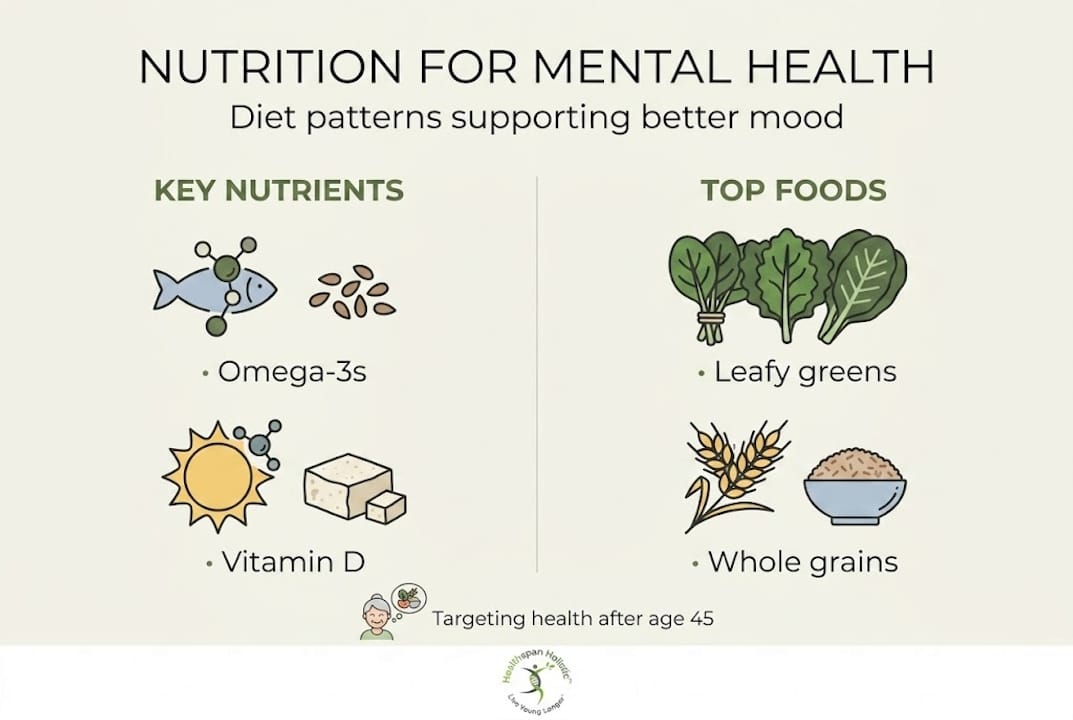
Here is a practical reference table for the key nutrients and their best food sources:
| Nutrient | Role in brain health | Best food sources |
|---|---|---|
| Omega-3 fatty acids | Reduce neuroinflammation, support mood | Fatty fish, flaxseed, walnuts |
| B vitamins (B6, B9, B12) | Neurotransmitter synthesis, homocysteine control | Eggs, leafy greens, legumes, meat |
| Vitamin D | Regulates serotonin production, neuroprotection | Sunlight, fatty fish, fortified foods |
| Magnesium | Calms the nervous system, supports sleep | Dark chocolate, almonds, spinach |
| Zinc | Modulates mood and cognitive function | Pumpkin seeds, beef, chickpeas |
| Iron | Oxygen delivery to brain, energy metabolism | Red meat, lentils, fortified grains |
| Fiber | Feeds gut microbiome, reduces inflammation | Oats, vegetables, beans, whole grains |
Sub-clinical deficiencies, meaning levels that are low but not yet classified as clinically deficient, are particularly tricky. You may not feel overtly ill, but your mood, memory, and motivation can quietly suffer. Many people over 50 attribute these symptoms to “just aging” when the real culprit is a correctable nutritional gap.
If you are not getting consistent sun exposure or eating fatty fish at least twice a week, a broad-spectrum multivitamin can help fill in the gaps. And if you are not eating enough vegetables, legumes, or whole grains daily, adding an organic fiber supplement is a practical, low-effort way to support both gut and brain health.
Pro Tip: If your mood has been low or your memory feels foggy, ask your doctor to test your vitamin D, B12, and omega-3 index. These are often overlooked in standard panels but can make a significant difference when corrected.
The gut-brain axis: Why fiber and microbiota matter
Healthy nutrients don’t work in isolation. The gut microbiome may be the missing link that explains why diet has such a powerful effect on mental health. The gut-brain axis is a bidirectional communication network connecting your digestive system and your brain through the vagus nerve, immune signals, and chemical messengers. What happens in your gut does not stay in your gut.
Your gut microbiome, the trillions of bacteria, fungi, and other microorganisms living in your digestive tract, produces roughly 90% of your body’s serotonin. It also manufactures GABA (gamma-aminobutyric acid), a calming neurotransmitter, and influences levels of dopamine and cortisol. When your microbiome is diverse and well-fed, your mental health tends to follow suit.
Diets high in fiber and prebiotics promote beneficial bacteria that produce short-chain fatty acids (SCFAs), compounds that cross the blood-brain barrier and provide direct neuroprotection. SCFAs reduce neuroinflammation, support the integrity of the gut lining, and regulate the stress response. Think of fiber as fuel for the microorganisms that protect your brain.
“Higher whole-grain and fiber intake is significantly linked to lower risk of major depression in older adults, reinforcing the gut-brain pathway as a key target for nutritional interventions.” Whole-grain intake and depression in older adults
Here are practical steps to build a more resilient microbiome for better mental health:
- Eat a diverse range of plant foods. Aim for 30 different plant foods per week, including vegetables, fruits, legumes, nuts, seeds, and whole grains. Diversity feeds a wider variety of beneficial bacteria.
- Include fermented foods daily. Yogurt, kefir, kimchi, sauerkraut, and miso introduce live beneficial bacteria and support microbial balance.
- Prioritize prebiotic-rich foods. Garlic, onions, leeks, asparagus, bananas, and oats feed the good bacteria you already have.
- Reduce antibiotic use when possible. Antibiotics disrupt the microbiome significantly. When they are necessary, follow up with probiotics and fermented foods.
- Limit alcohol. Even moderate alcohol intake can reduce microbial diversity and increase gut permeability, which is sometimes called “leaky gut.”
- Supplement strategically. A high-quality fiber for gut health supplement can help you consistently hit your daily fiber target, especially on days when vegetable intake is low.
The gut-brain connection is one of the most exciting areas in mental health research right now. And the good news is that you can start improving your microbiome with every meal.
Foods and habits that harm mental well-being
Knowing what to add is half the battle; knowing what to avoid is just as vital. While much of the conversation around nutrition and mental health focuses on what to eat more of, the foods and habits you reduce matter just as much. Certain dietary patterns actively work against your mood, memory, and emotional resilience.
Sugar-sweetened beverages increase the risk of depression and anxiety in mid-to-late adulthood. This includes sodas, sweetened teas, energy drinks, and fruit juices with added sugar. The mechanism involves blood sugar spikes and crashes, chronic inflammation, and disruption of the gut microbiome. A Western diet high in processed and sugary foods is one of the strongest dietary predictors of depression and anxiety in older adults.
Encouragingly, Mediterranean diet adherence reduces the need for antidepressants and anxiolytics in older adults, suggesting that dietary change can have real clinical significance, not just statistical associations.
Here is a comparison of common harmful dietary habits and their mental health impact:
| Food or habit | Mental health risk | Why it matters |
|---|---|---|
| Sugar-sweetened beverages | Increased depression and anxiety risk | Blood sugar dysregulation, inflammation |
| Ultra-processed snack foods | Higher rates of depressive symptoms | Low nutrient density, additive effects |
| Excessive red and processed meat | Associated with cognitive decline | Saturated fat, inflammatory compounds |
| Skipping meals | Mood instability, brain fog | Drops in blood glucose affect cognition |
| Chronic alcohol use | Depletes B vitamins, disrupts sleep | Directly impairs neurotransmitter balance |
| Sedentary lifestyle combined with poor diet | Compounded depression risk | Amplifies inflammatory pathways |
Reducing these habits does not mean deprivation. Here are four practical steps to make the shift without feeling restricted:
- Swap one sugary drink per day for sparkling water with lemon or unsweetened herbal tea. Small swaps add up to big changes over weeks.
- Replace one processed snack with a handful of walnuts, an apple with almond butter, or hummus with vegetables. These swaps also deliver brain-supporting nutrients.
- Plan two to three Mediterranean-style dinners per week to start. You do not need to overhaul every meal at once.
- Use personalized supplementation strategies to fill gaps left by dietary transitions, especially during the adjustment phase.
Pro Tip: Aiming for 80% adherence to a healthy eating pattern is enough to see significant mental health benefits. Perfection is not the goal. Consistency is.
What most guides miss: Personalization and real-life balance
Most nutrition guides present dietary advice as if one size fits all. Eat this, avoid that, follow this plan. But in our experience working with adults over 40, the most meaningful and lasting mental health improvements come from personalized, flexible approaches, not rigid rules.
Here is the uncomfortable truth: strict dietary perfection is not only unnecessary, it can actually backfire. Chronic stress about eating “correctly” can raise cortisol levels and undermine the very mental health outcomes you are trying to achieve. Eighty percent adherence to a Mediterranean or DASH-style pattern is enough to capture most of the benefit. Give yourself room to live.
What does matter enormously is knowing your individual nutrient status. Testing your vitamin D, B12, and omega-3 index is one of the smartest investments a midlife adult can make. Sub-clinical deficiencies are far more common than most people realize, and they are quietly influencing your mood, memory, and energy every single day. Guessing is not a strategy.
We also see consistently that pairing quality nutrition with regular movement amplifies results in ways that neither intervention achieves alone. Exercise boosts BDNF (brain-derived neurotrophic factor), a protein that supports neuroplasticity, while a nutrient-dense diet provides the raw materials for BDNF to do its work. Together, they are more powerful than the sum of their parts.
Finally, working with a clinician or health coach to build a truly personalized nutrition and supplements plan based on your lab results, health history, and lifestyle is where the real transformation happens. Generic advice gets you started. Personalization gets you results.
Supporting your journey with the right tools
You now have a clear picture of how nutrition supports mental health after 45. The next step is making it practical and sustainable.
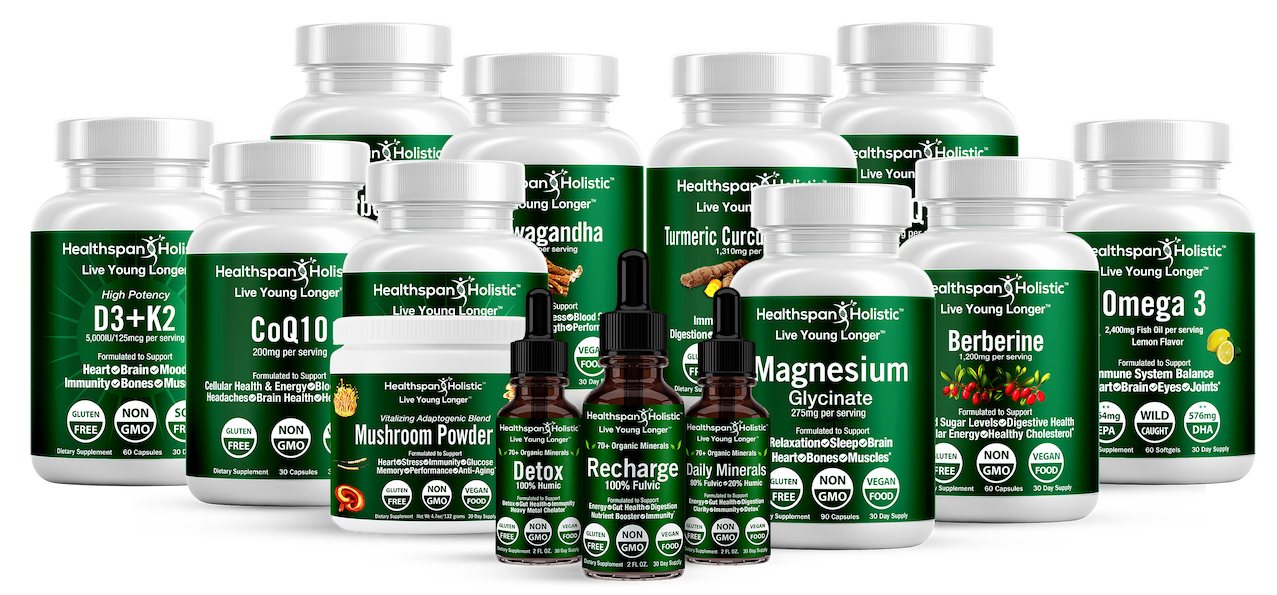
Dietary gaps are common in midlife, and even a well-intentioned diet can fall short on key brain-supporting nutrients. That is where targeted supplementation becomes a smart bridge. Our high-potency vitamin D3 paired with K2 supports serotonin regulation and neuroprotection, two functions that matter deeply for mood and cognition. For broader coverage, our comprehensive multivitamin delivers the full spectrum of B vitamins, magnesium, zinc, and more in bioavailable forms. Explore more nutrition resources on our site to find the right combination for your goals and your stage of life.
Frequently asked questions
What diet is best for mental health after age 45?
The Mediterranean and DASH diets show the strongest evidence for reducing depression and cognitive decline risk in middle-aged and older adults. A Mediterranean diet cuts depression risk by 55% in older adults, while DASH diet adherence is strongly associated with lower subjective cognitive decline.
Is it necessary to avoid all processed and sugary foods?
No, but minimizing these foods, especially sugar-sweetened drinks, significantly lowers your risk for depression and anxiety. Research shows sugar-sweetened beverages increase depression and anxiety risk in mid-to-late adulthood, making them one of the highest-priority items to reduce.
What are the most important nutrients for brain health in later life?
Omega-3 fatty acids, B vitamins, vitamin D, magnesium, iron, and fiber are the key nutrients for mental clarity and mood regulation. Deficiencies in these nutrients are directly linked to depression and cognitive decline, and higher fiber and iron intake is specifically associated with lower depression risk in adults over 50.
How long does it take to see mental health benefits from dietary changes?
Noticeable improvements can appear within a few weeks to months. The SMILES trial found that a Mediterranean-style diet produced depression remission outcomes comparable to antidepressants, with results emerging over a 12-week period.
Leave a comment: