

Over 50% of adults aged 45 and older are actively seeking non-pharmaceutical ways to support their immunity, and for good reason. As we age, our immune defenses shift in ways that leave us more vulnerable to infections, slower recovery, and chronic inflammation. The problem is that most advice out there promises a quick fix, a magic pill, or a single superfood that will “turbocharge” your defenses overnight. Real immune health doesn’t work that way. What actually works is a layered, evidence-based approach that treats your immune system as a lifelong investment. This guide walks you through practical, holistic steps that address the real drivers of immune decline.
Key Takeaways
| Point | Details |
|---|---|
| Focus on balance | Supporting immune balance, not just boosting, is crucial for safe, lasting wellness, especially as we age. |
| Lifestyle is foundational | A Mediterranean-style diet, quality sleep, and regular physical activity form the immune health core. |
| Fill nutrient gaps wisely | Supplements target specific deficiencies but food-based nutrition should come first wherever possible. |
| Gut health and stress matter | A diverse diet and effective stress management keep your immune system resilient. |
| Safe, holistic synergy wins | Integrating these evidence-based steps leads to real immune support—not quick fixes or fads. |
Understand your immune system: What actually needs support
Now that we’ve outlined the importance of a practical immune strategy, let’s clarify what your immune system really needs as you age.
Your immune system is not a single organ. It’s a network of cells, tissues, and chemical signals that must stay in constant balance. As you move through your 40s, 50s, 60s, and beyond, this network undergoes a gradual shift known as immunosenescence, which simply means age-related immune decline. You produce fewer naive T-cells (the fresh recruits your body uses to fight new threats), and your body develops a low-grade, persistent state of inflammation called inflammaging.
This matters because naive T-cell decline and inflammaging together reduce your ability to respond to new pathogens while simultaneously raising your risk for chronic diseases. The goal, then, is not to aggressively “boost” immunity but to balance and nourish it. Overstimulating your immune system can actually backfire, triggering autoimmune reactions or worsening allergies.
Here’s a quick look at what balanced support looks like versus what to avoid:
| Balanced immune support | Risky or misleading remedies |
|---|---|
| Anti-inflammatory diet | Mega-dose supplement stacks |
| Quality sleep and stress management | Unregulated herbal “boosters” |
| Targeted micronutrients based on testing | Detox cleanses with no evidence |
| Gut health optimization | Extreme fasting without guidance |
| Regular moderate exercise | Aggressive immune stimulants |
Addressing the root causes of immune decline is a far safer and more effective strategy than chasing the latest trend. Think of your immune system like a garden. It doesn’t need a flood of fertilizer. It needs consistent care, the right nutrients, and protection from things that damage the soil.
“The immune system thrives on balance, not stimulation. More is not always better.”
Key changes to be aware of as you age:
-
Fewer naive T-cells available to recognize new threats
-
Higher baseline levels of inflammatory markers like IL-6 and CRP
-
Slower wound healing and reduced vaccine response
-
Greater susceptibility to respiratory infections and reactivation of dormant viruses
Build the foundation: Diet, sleep, and core lifestyle pillars
Understanding what your immune system needs sets the foundation. Now let’s get practical with the fundamental pillars that truly matter.
Food is information for your immune cells. A Mediterranean-style eating pattern, rich in colorful vegetables, fruits, legumes, whole grains, olive oil, and fatty fish, consistently shows up in research as one of the most powerful tools for reducing chronic inflammation. An anti-inflammatory diet rich in fruits, vegetables, fatty fish, nuts, and spices like turmeric helps reduce chronic inflammation and support immune cell function directly.
| Food | Key immune benefit |
|---|---|
| Citrus fruits | Vitamin C for white blood cell production |
| Fatty fish (salmon, sardines) | Omega-3s reduce inflammatory signaling |
| Leafy greens (spinach, kale) | Vitamins A, C, and folate for cell repair |
| Garlic and ginger | Natural antimicrobial and anti-inflammatory |
| Nuts and seeds | Vitamin E and zinc for immune regulation |
| Fermented foods (yogurt, kefir) | Probiotics to support the gut-immune axis |
Sleep is equally non-negotiable. Your body produces cytokines (proteins that coordinate immune responses) almost entirely during deep sleep. 7-9 hours of quality sleep nightly enables cytokine production, immune cell coordination, and memory formation for faster pathogen response.

Statistic to know: Sleeping fewer than 6 hours per night increases your infection risk by approximately 30%. That’s not a minor gap.
Here’s a simple daily routine to build your immune foundation:
-
Fill your plate with color at every meal. Aim for at least three different colored vegetables or fruits daily.
-
Add healthy fats like olive oil, avocado, or a small handful of walnuts to support anti-inflammatory pathways.
-
Set a consistent sleep schedule, going to bed and waking at the same time even on weekends to protect your circadian rhythms.
-
Minimize ultra-processed foods, which drive gut inflammation and disrupt the gut-immune axis over time.
Pro Tip: Add half a teaspoon of turmeric and a pinch of black pepper to soups, scrambled eggs, or smoothies each day. The black pepper increases curcumin absorption by up to 2,000%, making this one of the easiest anti-inflammatory upgrades you can make.
Targeted support: Micronutrients, supplementation, and deficiency checks
Lifestyle forms the base, but targeted micronutrients help fill the gaps many older adults face.
Here’s a reality check: most adults over 45 are deficient in at least one critical immune-supporting nutrient, and many don’t know it. Blood testing is the only reliable way to find out. Multiple micronutrient supplementation improved IgG and IgA levels by approximately 15 to 25% in middle-aged women, showing that targeted supplementation, when genuinely needed, delivers measurable immune benefits.
Key nutrients to know about:
-
Vitamin D3: Perhaps the most critical for immune modulation. Deficiency is extremely common in adults over 50. Vitamin D for immunity plays a direct role in activating T-cells and reducing inflammatory cytokines.
-
Vitamin C: Supports white blood cell function and acts as a potent antioxidant. Found in citrus, bell peppers, and kiwi.
-
Vitamin E: Protects immune cells from oxidative damage, especially important as we age.
-
Zinc: Essential for T-cell development and function. Deficiency is common in older adults due to reduced absorption.
-
Magnesium: Involved in over 300 enzymatic reactions, including those that regulate inflammation.
-
Omega-3 fatty acids: Reduce inflammatory signaling and support cell membrane integrity.
-
Vitamin K2: Works synergistically with D3 to direct calcium properly and avoid arterial calcification.
Signs you may need supplementation:
-
Frequent colds or infections that linger longer than usual
-
Fatigue that doesn’t improve with rest
-
Slow wound healing
-
Muscle cramps or bone tenderness (possible magnesium or D3 deficiency)
-
Brain fog or low mood (possible B12 or D3 deficiency)
Pro Tip: Always pair D3 with K2. Vitamin D increases calcium absorption, and K2 ensures that calcium goes to your bones and teeth rather than your arteries. A quality multivitamin support formula that includes both can simplify this significantly.
Food sources come first. But if testing reveals a deficiency, targeted supplementation is a smart, evidence-backed step rather than guesswork.
Address root causes: Gut health, stress, and holistic synergy
Beyond nutrients, addressing the root triggers of immune imbalance delivers the lasting transformation many people seek.
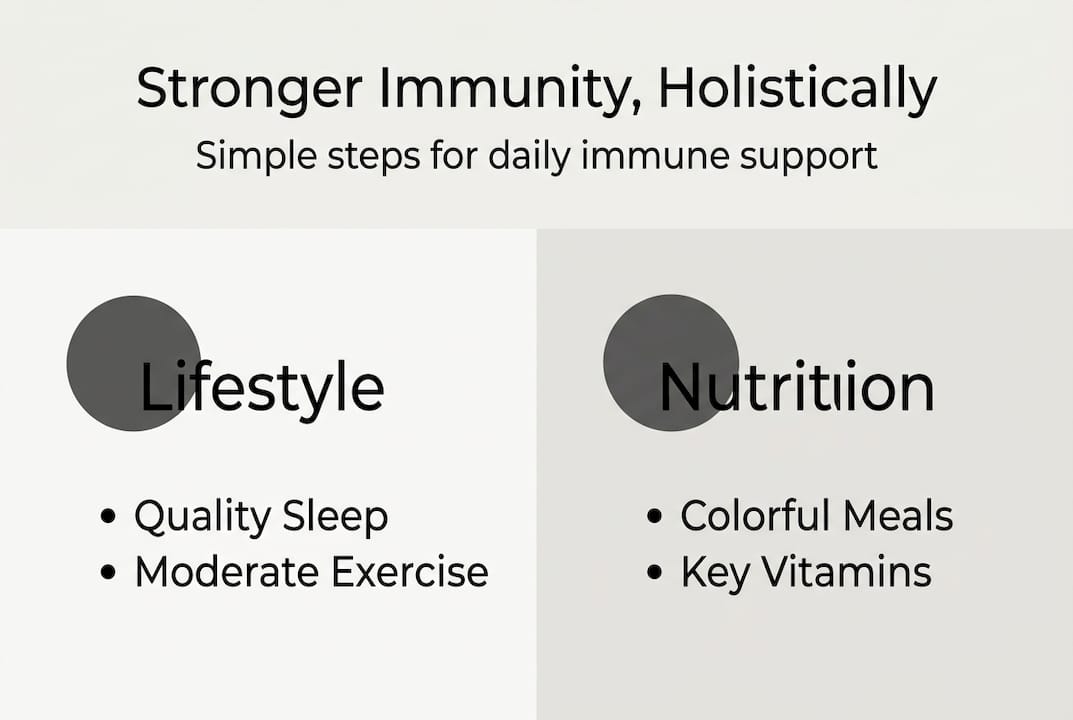
Here’s a fact that surprises many people: approximately 70% of your immune cells reside in and around your gut tissue. Your gut is not just a digestive organ. It is an immune command center. When the gut microbiome (the community of bacteria living in your intestines) is disrupted, immune regulation suffers. Research on the gut-immune axis in aging confirms that prioritizing gut health through Mediterranean and high-fiber diets is one of the most direct ways to counter inflammaging in the 45 to 75 age group.
Steps to actively support your gut:
-
Increase dietary fiber to at least 25 to 35 grams daily through vegetables, legumes, and whole grains to feed beneficial bacteria.
-
Add fermented foods like yogurt, kefir, sauerkraut, or kimchi to introduce live beneficial bacteria naturally.
-
Consider a quality probiotic if your diet is limited or you’ve recently taken antibiotics, which can wipe out beneficial gut flora.
-
Limit alcohol and NSAID overuse (common pain relievers like ibuprofen), both of which damage the gut lining and disrupt microbial balance.
Stress is the other root cause that rarely gets enough attention. Chronic psychological stress raises cortisol levels, which suppresses immune function and accelerates inflammaging. The connection is direct and well-documented. Simple daily practices that reduce stress are not optional extras. They are core immune support tools.
Practical stress-reduction strategies:
-
Mindfulness or meditation: Even 10 minutes daily lowers cortisol and reduces inflammatory markers
-
Nature walks: Time outdoors reduces stress hormones and supports immune cell activity
-
Social connection: Loneliness is as damaging to immune health as smoking; prioritize meaningful relationships
-
Diaphragmatic breathing: Slow, deep breathing activates the parasympathetic nervous system and calms immune overactivation
“Functional medicine addresses root causes, not just symptoms. When you restore gut health and reduce chronic stress, the immune system finds its own balance.”
Think of gut health and stress management as the foods for immune support of your inner ecosystem. You can take every supplement on the shelf, but if your gut is inflamed and your cortisol is chronically elevated, results will be limited.
A holistic approach to immune support: Our perspective
Here’s the uncomfortable truth: most “boost your immunity fast” advice is oversold, and some of it is genuinely harmful. We’ve seen clients come in after spending hundreds of dollars on aggressive supplement stacks, only to find their inflammatory markers were actually higher than before. More stimulation is not the same as better protection.
What we’ve learned from working with hundreds of adults in the 45 to 75 range is that immune health is a long game. The people who feel the most resilient year after year are not the ones chasing the latest trend. They’re the ones who quietly invested in consistent sleep, real food, managed stress, and a healthy gut over months and years.
The synergy between these pillars is what makes the difference. Diet alone moves the needle a little. Add quality sleep, and you double the impact. Layer in gut support and stress management, and the results become genuinely transformative. No single intervention delivers that. The system does.
Cut through the noise by focusing on what’s measurable and repeatable. Get your blood work done. Know your actual vitamin D level. Understand your inflammatory markers. Then build from there with targeted, evidence-backed steps rather than guesswork.
Take the next step with professional-grade support
If you’re ready to put these strategies into action, here’s how you can go further.
At Healthspan Holistic, we’ve made it simple to bridge the gap between knowing what to do and actually doing it with the right tools in hand.
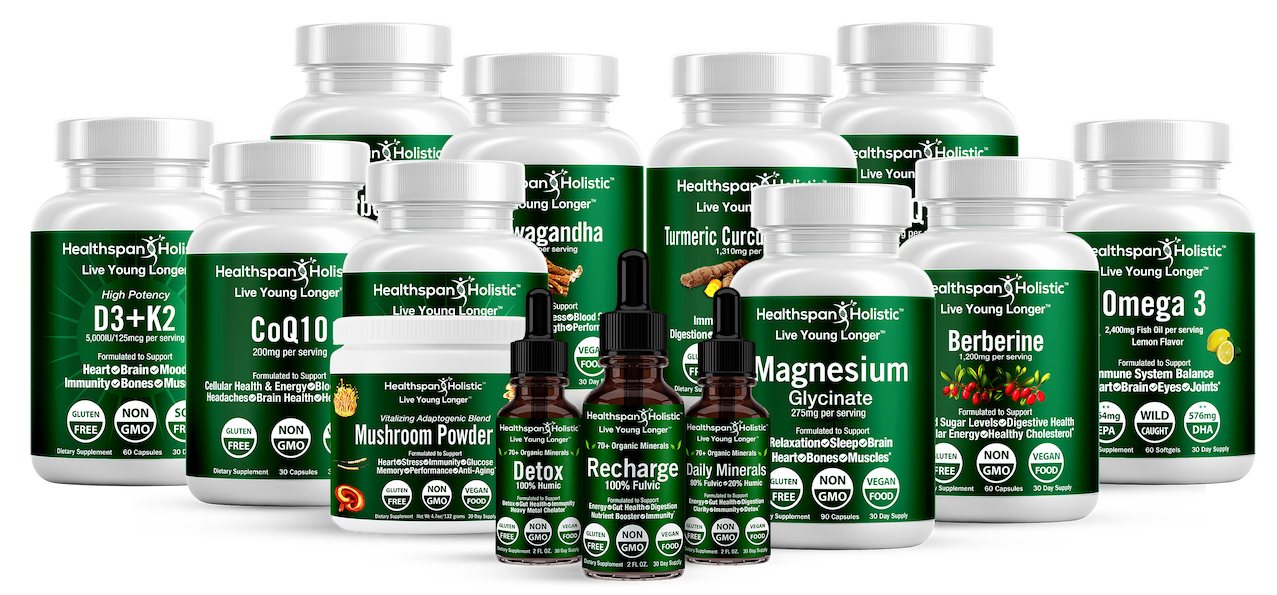
Our High Potency Vitamin D3 + K2 formula delivers the synergistic pairing your immune system needs, while GI Balance for digestive support helps restore the gut environment where most of your immune activity actually happens. For targeted microbiome restoration, ProbioMax for gut health delivers 40 billion CFUs of clinically researched strains. Pair any of these with our blood work testing and holistic health coaching for a truly personalized immune strategy built around your actual biology.
Frequently asked questions
Which foods best support the immune system for people over 45?
Citrus fruits, leafy greens, fatty fish, nuts, and spices like turmeric and ginger are among the most evidence-backed immune-supporting foods for reducing inflammation and strengthening immune cell function.
Is it safer to boost or balance the immune system as I age?
Balance is always the safer goal. Immunosenescence and inflammaging mean that overstimulating immunity can trigger autoimmune reactions, so nourishing and balancing your defenses is more effective and far less risky.
How much sleep do I really need for optimal immune function?
Most adults need 7-9 hours nightly to support cytokine production, immune cell renewal, and the memory formation that helps your body respond faster to repeat threats.
Should I take supplements or just focus on diet?
Food first is always the right starting point, but if testing reveals deficiencies in vitamins D, C, or zinc, targeted supplementation is a smart and evidence-backed complement to a healthy diet.
What lifestyle changes make the biggest difference after 50?
A Mediterranean-style diet, consistent quality sleep, active stress management, and gut health support work together to address the gut-immune axis in aging and create the most meaningful long-term immune resilience.
Leave a comment: