

TL;DR:
Peptide therapy influences aging, skin, muscle, and metabolic functions, but evidence varies by peptide.
Delivery methods include injections, oral supplements, topical applications, and nasal sprays, each with different bioavailability.
Risks involve contamination, immune reactions, and unregulated products; medical oversight is essential.
Peptide therapy has moved well beyond gym culture and anti-aging clinics to become one of the most talked-about approaches in holistic wellness. Yet for every well-designed study, there are dozens of influencer-driven claims that blur the line between real science and wishful thinking. If you’re over 45 and searching for evidence-based ways to restore energy, protect muscle, or slow the visible signs of aging, it’s worth looking at what peptide therapy actually offers, what it doesn’t, and how to use it wisely as part of a broader wellness strategy.
Key Takeaways
| Point | Details |
|---|---|
| Peptides support wellness | Evidence shows peptides may improve skin quality, healing, and, in some cases, muscle or cardiac health. |
| Delivery method matters | Injections are most effective, but oral and topical options offer convenience with advancing technology. |
| Safety requires care | Risks increase with unregulated sources, stacking, or lack of medical oversight. |
| Manage expectations | Current research supports benefits, but long-term effects and synergy claims remain unproven. |
| Integrate holistically | True health gains come from combining peptides with comprehensive lifestyle and evidence-based practices. |
What are peptides and how does therapy work?
Peptides are short chains of amino acids, the same building blocks that make up proteins. Think of them as precise molecular messengers, carrying specific instructions to your cells. Your body already produces thousands of naturally occurring peptides that regulate everything from tissue repair to hormone release. As we age, production of many key peptides declines, which is partly why recovery slows, skin loses elasticity, and energy dips.
Peptide therapy involves introducing specific peptides into your body to influence biological functions that have become sluggish or imbalanced. Different peptides target different systems. Some stimulate growth hormone release. Others accelerate wound healing or improve skin texture. Still others show promise for metabolic regulation and cardiovascular support.
Here’s a snapshot of the most common use cases being studied and applied clinically:
-
Healing acceleration: Peptides like BPC-157 and TB-500 show strong preclinical evidence for tissue repair and injury recovery.
-
Skin quality: Topical peptides like GHK-Cu (a copper peptide) and oral collagen peptides measurably improve hydration and reduce fine lines.
-
Muscle and cardiac support: Peptides such as elamipretide target mitochondrial function in muscle and heart tissue.
-
Metabolic regulation: GLP-1 peptides like semaglutide are now widely used for blood sugar control and weight management.
-
Cognitive and neurological support: Nasal peptide sprays are being studied for neuroprotection, though human evidence is earlier stage.
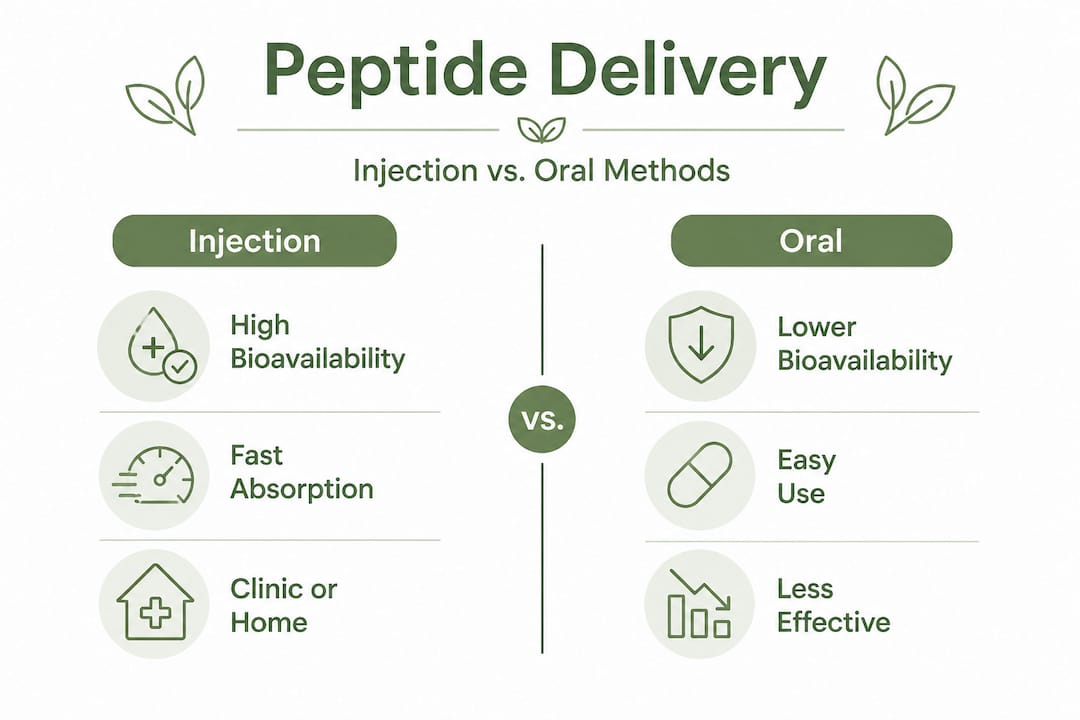
Administration methods vary significantly. Peptide methodologies include subcutaneous injections (most common, high bioavailability), oral formats such as collagen peptides supplements and semaglutide, topical formulations for skin peptides like GHK-Cu, and nasal sprays for neuropeptides. Injections are preferred when systemic effects are needed, but oral and topical options are advancing rapidly in convenience and formulation quality.
Pro Tip: Not all peptide therapies are equal. Selection and dosing matter enormously because peptides have short half-lives, meaning they break down quickly in the body. This often requires frequent dosing or specialized formulations to maintain therapeutic levels. Always work with a qualified clinician who can match the peptide to your specific goals.
What evidence supports peptide therapy for aging and vitality?
With foundational knowledge in place, it’s time to ask the harder question: what does the science actually say?
The honest answer is that the evidence varies widely depending on which peptide you’re considering and what outcome you’re targeting. Some areas have solid human clinical data. Others remain promising but preclinical.
| Peptide or class | Target area | Evidence strength | Key finding |
|---|---|---|---|
| Oral collagen peptides | Skin hydration, wrinkles | Strong (human RCTs) | Skin hydration improved (MD=5.80, p<0.01); wrinkle reduction (MD=1.5, p=0.01) |
| Collagen amino acids | Biological age | Moderate (human study) | Reduced biological age by 1.4 years (p=0.04) |
| GHK-Cu (topical) | Skin brightness | Moderate (clinical) | Brightness improvement (MD=2.40, p<0.01) |
| Elamipretide | Muscle/cardiac function | Preclinical (animal) | Improved function in aging mice; human trials limited |
| BPC-157 | Tissue healing | Preclinical (strong) | Animal data excellent; large human RCTs lacking |
| TB-500 | Wound/muscle repair | Preclinical | Promising but no large human trials yet |
| GLP-1 peptides | Metabolic regulation | Strong (human RCTs) | Established for blood sugar and weight management |
The most robust evidence in humans exists for oral collagen peptides targeting skin health and for GLP-1 analogs in metabolic health. The data on healing peptides like BPC-157 and TB-500 is compelling in animal models but hasn’t yet been validated in large, well-controlled human trials.
“Collagen amino acid supplementation reduced biological age by 1.4 years in human participants (p=0.04), representing one of the clearest signals yet that targeted peptide nutrition may influence aging at a cellular level.” — Frontiers in Medicine, 2026
The distinction between clinical and preclinical evidence matters enormously. Animal studies are a crucial first step, but they don’t always translate to human outcomes. For skin hydration and skin hydration support, the human data is genuinely encouraging. For muscle and wound repair, we’re still waiting on the kind of large randomized controlled trials that would allow firm clinical recommendations.
This doesn’t mean healing peptides are ineffective. It means we should set realistic expectations and approach them as promising tools, not proven cures. For anyone researching this space, the supplements for longevity after 40 landscape is rich with options, and peptides represent one credible piece of that puzzle.
How peptide therapies are delivered: Comparing methods
Understanding the benefits is one thing. Knowing how to actually receive those benefits requires looking at delivery methods carefully.
| Method | Bioavailability | Effectiveness | Convenience | Typical uses |
|---|---|---|---|---|
| Subcutaneous injection | High | Strong for systemic effects | Low (requires skill/needles) | GH secretagogues, BPC-157, TB-500 |
| Oral | Variable (often low) | Good for collagen, GLP-1 | High | Collagen, semaglutide, gut peptides |
| Topical | Localized | Excellent for skin | Very high | GHK-Cu, skin-targeted peptides |
| Nasal spray | Moderate | Emerging for neuropeptides | High | Brain and nerve-targeted peptides |
Injections remain the gold standard for peptides where systemic delivery is critical. They bypass the digestive system entirely, delivering the active compound directly into circulation with minimal degradation. However, they require consistency and ideally professional guidance.

Oral peptide options are advancing quickly in formulation science. Collagen peptides are already proven effective in oral form because they’re specifically processed to survive digestion. Semaglutide, a GLP-1 peptide methodologies success story, is now available orally with reformulated absorption enhancers. For gut peptides and digestive health targets, oral delivery makes intuitive sense since it interacts directly with the GI tract.
Here are four key steps to consider when choosing a delivery method:
-
Define your primary goal. Skin quality points toward topical or oral collagen. Systemic healing or hormone-related goals may require injection-based protocols.
-
Assess your tolerance for complexity. Injections demand a consistent routine and proper technique. If that feels overwhelming at first, oral or topical options may be a better starting point.
-
Consider the peptide’s bioavailability profile. Some peptides are simply destroyed in the digestive system unless specially formulated. Your clinician should guide this decision.
-
Build in medical oversight. Whatever method you choose, involve a healthcare provider who can monitor your response and adjust dosing. Short half-lives mean that timing and frequency directly affect outcomes.
The short half-life challenge is real across all methods. Many therapeutic peptides break down within minutes to a few hours in the bloodstream, which is why frequent dosing, modified peptide structures (such as fatty acid conjugation to extend activity), or sustained-release formulations are often necessary.
Risks, regulations, and what most guides miss
Knowing how peptides are delivered isn’t enough. You also need to understand the risks and the regulatory landscape, because this is where most wellness guides fall dangerously short.
Key risks to be aware of include:
-
Contamination: Unregulated peptide products, especially those purchased online without a prescription, carry real contamination risks from improper manufacturing.
-
Immune reactions: Some peptides can trigger immune responses, especially with repeated use or when formulations are impure.
-
Regulatory confusion: Many peptides occupy a gray area. The FDA has classified numerous compounded peptides under Category 2 status, flagging concerns about safety and manufacturing consistency.
-
Black market dangers: The ease of purchasing research-grade peptides online has created a thriving unregulated market where quality is unpredictable and legal risk is real.
-
Lack of long-term human data: Even for peptides with positive short-term studies, we simply don’t have robust data on what happens with years of continuous use.
“The FDA’s Category 2 classification for many compounded peptides signals legitimate safety concerns, including immune reactions and contamination risks, that consumers and clinicians must take seriously before initiating any protocol.” — Pharmacy Times
Edge cases and nuances add further complexity. Short half-lives require either frequent dosing or chemical modifications like fatty acid conjugation to extend therapeutic action. Poor oral bioavailability is a genuine barrier for many peptides unless advanced formulations are used. Stacking multiple peptides simultaneously increases risk without proven synergistic benefit. Some effects also appear to be sex-dependent, particularly in areas like muscle force generation, meaning what works well in one demographic may not translate to another.
One area that receives serious clinical attention is GLP-1 peptide risks, where even well-validated peptides carry meaningful side effect profiles that require medical monitoring.
Pro Tip: Always source peptide therapies through licensed clinicians or established compounding pharmacies with verifiable quality standards. Avoid stacking peptides without expert guidance, and check for current FDA regulatory status before starting any protocol. The landscape changes frequently.
Future directions and the holistic approach
Once you understand the risks, you can start thinking about where peptide therapy is realistically headed and how to use it as part of a genuinely balanced wellness plan.
The future of peptide delivery includes several exciting directions:
-
Nano-carriers: Nanoparticle delivery systems that protect peptides from degradation and improve targeted delivery to specific tissues.
-
AI-optimized peptide design: Artificial intelligence is accelerating the discovery and optimization of novel therapeutic peptides with better stability and selectivity.
-
Advanced oral formulations: New absorption enhancers and encapsulation technologies are making oral peptide delivery increasingly viable for systemic applications.
-
Compounding pharmacy oversight: Regulatory bodies are tightening standards for compounded peptide preparations, which should improve safety and consistency over time.
The honest warning here is this: innovation timelines in medicine are long. What looks promising in a 2026 laboratory study may be five to ten years from clinical validation. Wellness culture tends to race ahead of that timeline, which is how unsubstantiated trends take hold. Critical thinking is your most important tool.
Integrating peptide therapy holistically means pairing it with the fundamentals: nutrient-dense eating, consistent physical activity, quality sleep, and ongoing monitoring of key lab markers. Peptides work best as amplifiers of a healthy foundation, not as substitutes for one. Personalized medical advice is essential, and regular follow-up with lab testing lets you track actual outcomes rather than relying on how you feel day to day.
A practitioner’s take: What your wellness journey with peptides should actually look like
Here’s a perspective that most peptide content won’t offer you: the clients who benefit most from peptide therapy aren’t the ones chasing every new compound. They’re the ones who start with a thorough health assessment, choose one or two peptides with strong evidence for their specific goals, and commit to a measured, patient protocol over months.
We’ve seen too many people arrive having already tried four or five different peptides simultaneously, frustrated that nothing “worked.” In almost every case, the issue wasn’t the peptides. It was the lack of a foundation. Without knowing your baseline hormones, inflammation markers, metabolic status, and biological age, there’s no way to know what a peptide is actually doing.
Peptides are not a shortcut. They’re a precision tool. Used judiciously alongside sound nutrition, targeted exercise, and consistent lifestyle habits, certain peptides may genuinely amplify your results. But the amplifier only works if there’s a signal to boost.
“The most meaningful health transformations we witness come from measured, individualized approaches, not trend-chasing. Peptide therapy, when earned through a solid wellness foundation, becomes a legitimate accelerator.”
The contrarian insight worth sharing is this: more is not better with peptides. Overemphasizing or stacking multiple peptides rarely produces better outcomes and often creates confusion about what’s working and what isn’t. Simplicity, consistency, and follow-up are the real differentiators. A holistic health coaching relationship can make the difference between a scattered trial and a genuinely effective protocol.
- Chris
Take the next step toward vitality with holistic support
If peptide therapy feels like a direction worth exploring, the key is starting with clarity, not experimentation. At Healthspan Holistic, we’ve built our approach around exactly that: comprehensive diagnostics first, targeted solutions second, and ongoing monitoring throughout.
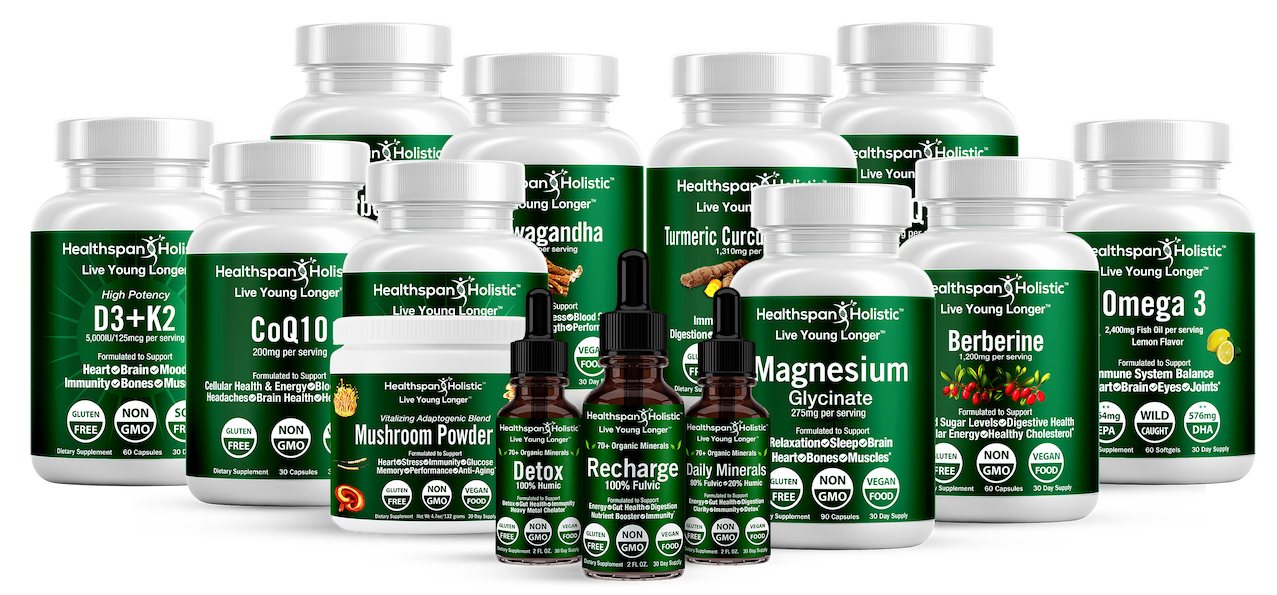
Ready to find out whether peptide therapy is right for your biology and goals? Click Here for access to our entire line of Rx products including Peptides, GLP-1s, Hormones, & Longevity Treatments. We offer these through a team of physicians and compounding pharmacies in the USA. We can help you develop a road map covering nutrition, supplementation, lifestyle, and targeted therapies in one integrated strategy. Evidence-based, patient, and personalized: that’s how real vitality is built.
Frequently asked questions
What are the main benefits of peptide therapy for people over 45?
Peptide therapy may improve skin hydration, reduce wrinkles, support tissue healing, and help with muscle or cardiac function based on early human studies and strong animal data, particularly for skin and aging outcomes. Results vary by peptide type and individual health status.
Are oral peptides as effective as injections?
Oral peptides are more convenient but typically deliver lower bioavailability than injections, though advancing formulations are narrowing that gap for specific peptides like collagen and semaglutide. Injections remain preferred for systemic therapeutic effects.
Is peptide therapy safe for long-term use?
Long-term safety data in humans is limited, and FDA Category 2 concerns for many compounded peptides include possible immune reactions and contamination risks, especially from unregulated sources. Medical oversight is essential.
Can peptides be combined for better results?
Stacking multiple peptides is popular in wellness circles but carries increased risk without proven synergistic benefit, and should only be done under direct medical supervision with clear outcome monitoring in place.
Where can I find trustworthy peptide therapy products?
Always seek peptides through licensed clinicians or regulated compounding pharmacies, and avoid black market or influencer-promoted sources that operate outside the regulatory gray area without quality assurance.
Recommended
-
Best evidence-based supplements for longevity after 40 | Healthspan Holistic
-
Why supplement vitamin D? Key benefits and evidence explained | Healthspan Holistic
-
GLP-1s for weight & diabetes: benefits and risks explained | Healthspan Holistic
-
Unlock Better Health: What Is Personalized Supplementation? | Healthspan Holistic
Leave a comment: