

TL;DR:
- Thorough thyroid testing helps detect hormone imbalances that cause fatigue, weight changes, and mood shifts. Regular screening starting at age 35, especially with symptoms or risk factors, can prevent serious health complications. Full thyroid panels provide the most accurate diagnosis and guide effective treatment.
Thyroid function testing is the most direct way to detect hormone imbalances that drive fatigue, weight gain, and mood changes in adults. Your thyroid gland produces hormones that regulate metabolism, heart rate, body temperature, and energy production. When those hormones fall out of range, every system in your body feels it. Understanding why checking thyroid levels matters starts with recognizing that up to 60% of people with thyroid disorders go undiagnosed because their symptoms look exactly like normal aging or stress. A simple blood test changes that picture entirely.
Why check thyroid levels: what the tests actually measure
Thyroid testing measures the hormones that control how your body converts food into energy. The three core markers are TSH (thyroid stimulating hormone), Free T4 (thyroxine), and Total T3 (triiodothyronine). Each tells a different part of the story.
Here is what each marker reveals:
-
TSH: Produced by the pituitary gland, TSH signals the thyroid to make more or less hormone. TSH is a highly sensitive early warning tool that detects dysfunction before symptoms appear. A high TSH usually means the thyroid is underactive; a low TSH suggests overactivity.
-
Free T4: This is the main hormone the thyroid releases into the bloodstream. It converts into the active form T3 inside your cells. Low Free T4 alongside high TSH confirms hypothyroidism.
-
Total T3: T3 is the active hormone that directly drives metabolism. Testing T3 helps identify hyperthyroidism and gives a fuller picture when TSH alone is unclear.
-
Thyroid antibodies: Tests like TPO antibodies detect autoimmune conditions such as Hashimoto’s thyroiditis and Graves’ disease, which are leading causes of thyroid dysfunction in adults.
One important limitation: TSH may be inaccurate in people with pituitary gland problems. In those cases, Free T4 and T3 tests become the primary diagnostic tools. This is why a full thyroid panel, rather than TSH alone, gives the most complete picture of how thyroid affects health.
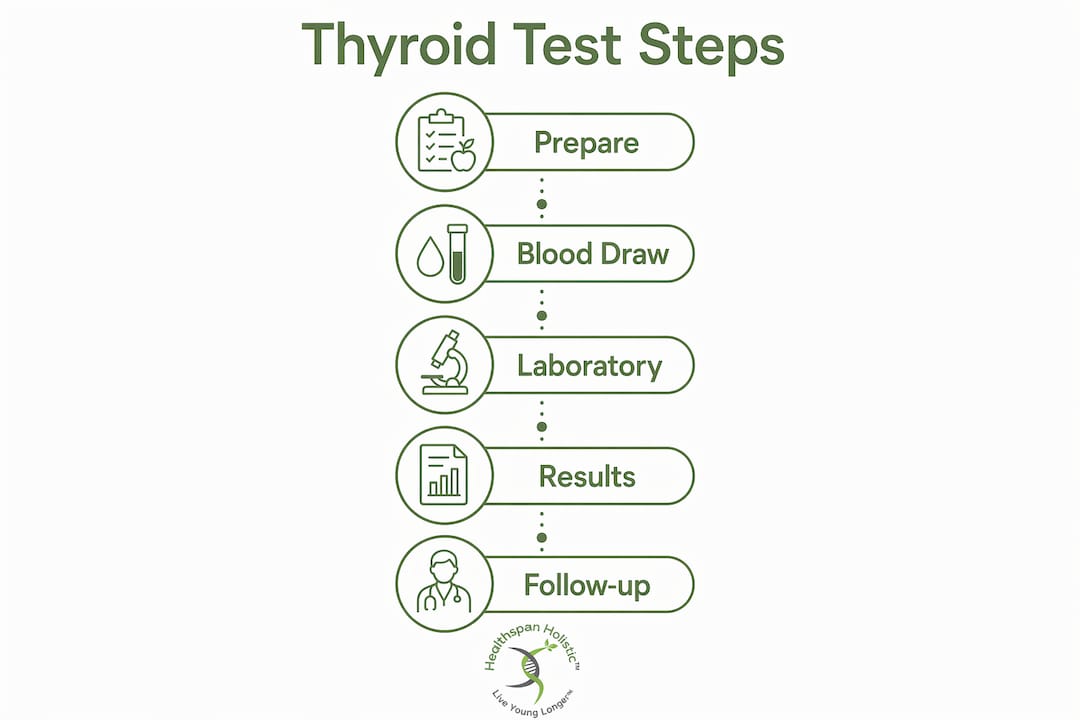
Pro Tip: Stop taking biotin supplements at least 48 hours before your thyroid blood draw. Biotin interferes with many thyroid assays and can produce falsely abnormal results that lead to unnecessary follow-up testing.
What symptoms or risk factors mean you should get tested?
Thyroid dysfunction develops gradually. That slow onset is exactly why so many people miss it. The symptoms overlap with dozens of other conditions, and most people chalk them up to getting older or being stressed.
Watch for these signs that warrant a thyroid check:
-
Persistent fatigue that does not improve with sleep or rest
-
Unexplained weight changes, either gaining weight despite normal eating or losing weight without trying
-
Mood shifts including depression, anxiety, or irritability that feel out of character
-
Temperature sensitivity, feeling cold all the time (hypothyroidism) or overheating easily (hyperthyroidism)
-
Hair thinning or loss, brittle nails, or dry skin
-
Brain fog, difficulty concentrating, or memory lapses
-
Irregular heartbeat or palpitations
-
Changes in bowel habits, constipation or frequent loose stools
Beyond symptoms, certain risk factors make testing a priority even before you feel unwell. Women are significantly more likely than men to develop thyroid disorders. A family history of thyroid disease, autoimmune conditions like Type 1 diabetes or rheumatoid arthritis, and a personal history of neck radiation all raise your risk. Pregnancy is another major trigger. Thyroid hormone demand increases during pregnancy, and undetected dysfunction raises risks for both mother and baby.
Thyroid imbalances are often mistaken for aging or stress, which delays diagnosis by months or even years. The benefits of thyroid level checks are greatest when testing happens early, before complications take hold. You can explore how functional lab tests fit into a broader picture of vitality and longevity.

How often should you test your thyroid levels?
Testing frequency depends on whether you are screening for the first time or monitoring a known condition. The American Thyroid Association recommends starting thyroid screening at age 35, then repeating every 5 years. The U.S. Preventive Services Task Force finds insufficient evidence to recommend routine screening for adults without symptoms, so most providers test based on symptoms, family history, or specific risk factors.
If you are already on thyroid medication, the monitoring schedule is more structured:
-
6 weeks after starting or adjusting medication: Retest TSH and Free T4 to confirm the dose is working. Your body needs time to reach a new hormonal balance.
-
Every 6–12 months once stabilized: Annual testing is standard for most people on a steady dose of levothyroxine or other thyroid medications.
-
More frequently during pregnancy: Thyroid hormone needs shift each trimester. Testing every 4–6 weeks during pregnancy is common practice.
-
After major health changes: Significant weight loss, new medications, or a new autoimmune diagnosis all warrant a recheck.
Pro Tip: If you take levothyroxine, draw your blood before your morning dose. Taking the medication before the test artificially raises your Free T4 level and can make your dose appear higher than it actually is in daily life.
Monitoring thyroid function is not a one-time event. It is an ongoing conversation between your lab results and how you feel. A functional nutrition checklist for adults over 45 can help you track thyroid testing alongside other key health markers.
What happens when thyroid imbalances go untreated?
Untreated thyroid dysfunction does not stay contained to energy and mood. It spreads its effects across multiple body systems over time, and the consequences become harder to reverse the longer they go unaddressed.
“Thyroid disorders affect multiple body systems. Heartbeat issues, bone health degradation, and fertility challenges are known risks of untreated thyroid dysfunction.” Healthspan Holistic
The table below summarizes the major complications linked to untreated thyroid disorders:
| Body System | Complication from Hypothyroidism | Complication from Hyperthyroidism |
|---|---|---|
| Cardiovascular | High cholesterol, slow heart rate | Rapid heartbeat, atrial fibrillation |
| Bone health | Increased fracture risk over time | Accelerated bone loss, osteoporosis |
| Fertility and reproduction | Irregular periods, difficulty conceiving | Miscarriage risk, preterm birth |
| Mental health | Depression, cognitive decline | Anxiety, panic attacks |
| Metabolism | Weight gain, low energy | Unintended weight loss, muscle weakness |
Early diagnosis prevents long-term complications like cardiovascular disease and bone loss. That is the core reason why monitoring thyroid function matters so much for adults in their 40s, 50s, and 60s. The window for intervention is widest before complications set in. Catching an imbalance at the TSH stage, before Free T4 and T3 shift significantly, gives you and your doctor the most options.
Key takeaways
Checking your thyroid levels is the single most effective way to catch hormone imbalances early, before they cause lasting damage to your heart, bones, and metabolism.
| Point | Details |
|---|---|
| TSH is your first signal | TSH detects thyroid dysfunction before symptoms appear, making it the best starting point for testing. |
| Symptoms mimic aging | Fatigue, weight changes, and mood swings are common thyroid signs that are frequently dismissed as normal aging. |
| Start screening at 35 | The American Thyroid Association recommends thyroid screening beginning at age 35, every 5 years. |
| Monitor actively on medication | Retest TSH and Free T4 six weeks after any dose change, then annually once stable. |
| Untreated dysfunction has serious costs | Cardiovascular disease, bone loss, and fertility problems all result from long-term unmanaged thyroid imbalance. |
Why I think most people wait too long to test their thyroid
I have worked with adults who came to me after years of feeling off. Tired all the time. Gaining weight despite doing everything right. Struggling with mood in ways that felt embarrassing to admit. In nearly every case, no one had ordered a full thyroid panel. They had been told their labs were “normal” based on a single TSH number, or they had never been tested at all.
Here is what I have learned: thyroid dysfunction is a slow thief. It takes energy, clarity, and confidence so gradually that most people adapt to feeling worse rather than questioning why. By the time symptoms are undeniable, the imbalance has often been building for years.
The most important shift I see in people who reclaim their health is not a dramatic intervention. It is the decision to get a complete picture. A full thyroid panel, including Free T4, Total T3, and thyroid antibodies, tells you far more than TSH alone. And when you combine that with a provider who looks at your results in context of your symptoms, your age, and your history, you stop guessing and start acting.
My advice is direct: do not wait for symptoms to become severe. If you are over 35 and have not had a full thyroid panel in the last five years, schedule one. If you have been tested but only with TSH, ask for the full panel. Your thyroid is the thermostat for your entire metabolism. You deserve to know if it is set correctly.
— Chris
How Healthspan Holistic supports your thyroid health
Healthspan Holistic offers detailed lab testing and personalized coaching designed for adults who want real answers, not guesswork. If you are ready to understand your thyroid and metabolic health at a deeper level, the 90 Day Journey to Longevity program combines comprehensive blood panels, including full thyroid testing, with one-on-one coaching to help you restore energy and feel like yourself again.
1st Time Customers can take advantage of our BUY 1 GET 1 50% OFF special offer on all supplements. Start with a full thyroid panel and build a plan that works for your body, not a generic protocol.
FAQ
What does a thyroid panel test for?
A thyroid panel measures TSH, Free T4, and Total T3 to assess how well your thyroid gland is producing and regulating hormones. Some panels also include thyroid antibody tests to check for autoimmune conditions like Hashimoto’s thyroiditis.
Can thyroid problems go undetected for years?
Yes. Up to 60% of people with thyroid disorders are undiagnosed because symptoms like fatigue and weight changes are easily mistaken for stress or aging.
How does biotin affect thyroid test results?
Biotin supplements can cause falsely abnormal thyroid test results. Stop taking biotin at least 48 hours before your blood draw and tell your provider about any supplements you use.
At what age should I start getting my thyroid checked?
The American Thyroid Association recommends starting thyroid screening at age 35, then repeating every 5 years. Testing earlier makes sense if you have symptoms, a family history, or autoimmune conditions.
What are the risks of leaving thyroid imbalance untreated?
Untreated thyroid dysfunction raises the risk of cardiovascular disease, bone loss, fertility problems, and cognitive decline. Early detection and treatment prevent these complications from developing.
Leave a comment: