

TL;DR:
- After 35, immune function declines gradually due to immunosenescence, affecting recovery and energy levels.
- Maintaining this decline is possible through consistent diet, sleep, exercise, and targeted supplementation based on individual deficiencies.
After 35, your immune system quietly begins to shift. You may notice you take longer to recover from a cold, pick up infections more easily, or feel like your energy reserves run dry faster than they used to. This isn’t imagination. It’s immunosenescence, the gradual age-related change in immune function that affects every adult. The good news is that this process is modifiable. This immune system support guide walks you through practical, evidence-based strategies across diet, lifestyle, and supplementation so you can feel genuinely resilient again, not just manage the decline.
Key takeaways
| Point | Details |
|---|---|
| Diet is your foundation | Focus on nutrient-dense whole foods rich in vitamins A, C, D, E, zinc, and selenium to prevent immune-impairing deficiencies. |
| Sleep is non-negotiable | Getting fewer than 7 hours impairs natural killer cells and T-cell memory, weakening your immune response. |
| Exercise repairs aging immunity | Consistent moderate exercise reduces chronic inflammation and clears senescent immune cells, improving resilience over time. |
| Supplement smart, not more | Target confirmed deficiencies first; megadosing nutrients like zinc or vitamin D can cause toxicity without adding benefit. |
| Consistency beats quick fixes | Sustainable daily routines combining food, movement, sleep, and targeted supplements outperform any short-term immune strategy. |
Building your diet for immune health
The most powerful thing you can do for your immune system today costs nothing extra at the grocery store. It is simply eating a wider variety of whole foods. Micronutrient deficiencies impair immune competence especially as we age, and the nutrients most critical for immune regulation are vitamins A, C, D, and E, plus zinc, iron, and selenium.
Here is what those nutrients actually do and where to reliably find them:
| Nutrient | Key role in immunity | Top food sources |
|---|---|---|
| Vitamin A | Maintains mucosal barriers | Sweet potato, liver, spinach |
| Vitamin C | Antioxidant, white cell function | Bell peppers, kiwi, citrus |
| Vitamin D | Regulates immune cell activation | Fatty fish, fortified dairy, sunlight |
| Vitamin E | Protects immune cells from oxidative stress | Almonds, sunflower seeds, avocado |
| Zinc | Supports T-cell development | Oysters, beef, legumes |
| Selenium | Antioxidant enzyme function | Brazil nuts, tuna, eggs |
One overlooked piece of this puzzle is fiber. Most adults consume less than half of the recommended daily fiber intake, which matters because fiber feeds the gut microbiome. A healthy gut microbiome reduces systemic inflammation, and that is central to how your immune system regulates itself.
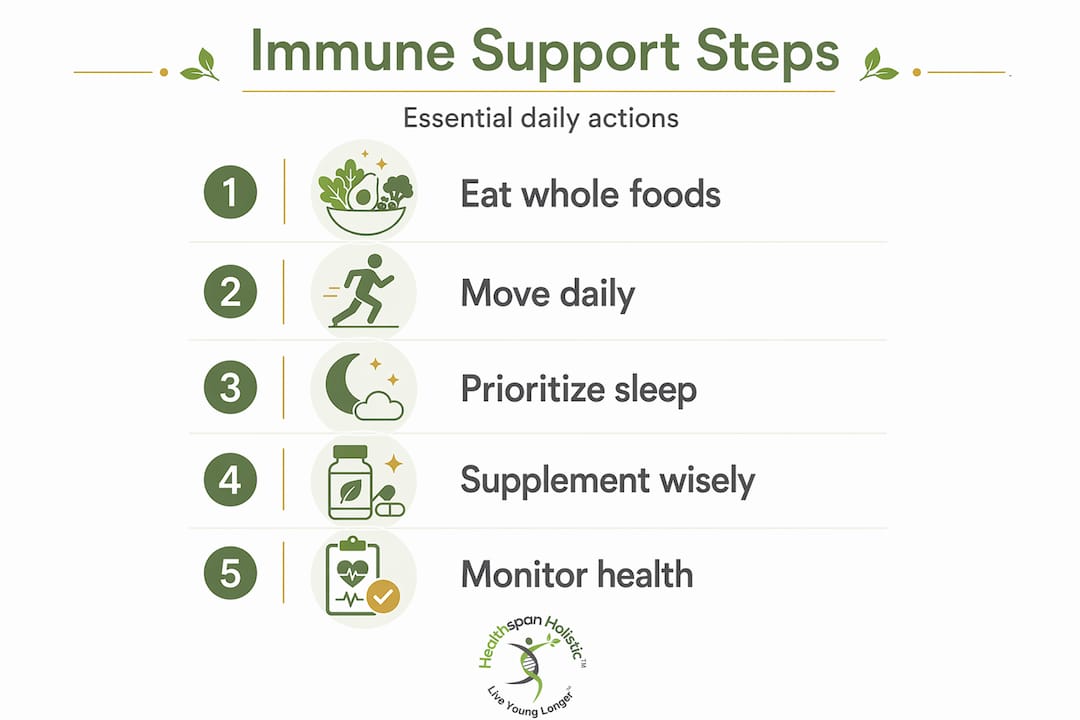
It bears repeating: no single food prevents illness. The goal is avoiding malnutrition and micronutrient gaps through consistent, varied eating. Think less about superfoods and more about a colorful, whole-food plate most days of the week.
Pro Tip: Rotate your produce weekly. Seasonal vegetables bring different phytonutrients and trace minerals that a fixed grocery list misses entirely. Aim for five to seven different vegetables across a week, not just the same salad every day.
Lifestyle habits that strengthen immunity
Diet gets most of the attention, but three lifestyle factors arguably matter just as much: sleep, exercise, and stress management. Neglect any one of them and your diet and supplements cannot fully compensate.
-
Prioritize 7+ hours of sleep. One-third of adults do not meet the recommended 7-hour minimum, and the immune cost is real. During deep sleep, your body consolidates immune memory through T and B cell activity, and natural killer cell output rises. Poor sleep is not just fatigue; it is a direct hit to your body’s ability to recognize and respond to pathogens.
-
Exercise consistently, not intensely. Structured physical activity in adults 60 and older mitigates chronic inflammation and measurably improves immune responses over six months of consistency. You do not need to train like an athlete. Thirty to forty-five minutes of brisk walking, cycling, or strength training five days a week delivers the benefit.
-
Manage chronic stress actively. Sustained cortisol elevation suppresses lymphocyte activity and tips your immune balance toward inflammation. Practices like breathwork, mindfulness, or simply spending time outdoors are not luxuries. They are part of the protocol.
-
Stay well hydrated. Mucous membranes in the nose, throat, and lungs are your body’s first line of defense. Adequate hydration keeps these barriers moist and functional.
-
Understand what “immune support” actually means. You are not trying to make your immune system stronger in the way you build a muscle. You are trying to prevent it from declining and becoming dysregulated.
“You cannot boost your immune system above its normal ceiling. What you can do is prevent it from falling below that ceiling through consistent, healthy living.” — adapted from immunology research
Pro Tip: Exercise improves gut microbial diversity and promotes bacteria that produce anti-inflammatory compounds. If you want one habit that improves both your gut health and your immune function at the same time, a daily walk after meals is it.
A practical guide to immune support supplements

Supplements are where people most often go wrong, either skipping them entirely when they would genuinely help, or loading up on megadoses that create new problems. Here is how to approach them clearly.
The case for targeted supplementation becomes strongest after 40. Micronutrient deficiencies impair enzyme functions and immune cell activity, and aging reduces how efficiently your body absorbs and metabolizes nutrients from food alone. Supplementing confirmed gaps is not a shortcut. It is responsible maintenance.
At the same time, indiscriminate supplementation carries real risks. Excess zinc, selenium, and vitamin D can all cause toxicity. Supplements delivering no more than 100% of the recommended daily allowance are generally considered safe, and that is the right baseline for most adults.
Here is a comparison of the most evidence-supported immune supplements for adults 35 to 65:
| Supplement | Primary benefit | Caution |
|---|---|---|
| Vitamin D3 + K2 | Immune cell regulation, bone health | Test levels first; excess D3 can cause toxicity |
| Zinc | T-cell support, wound healing | Over 40mg daily disrupts copper absorption |
| Multivitamin (broad spectrum) | Fills general micronutrient gaps | Choose formulas at or near 100% RDA |
| Selenium | Antioxidant enzyme support | Brazil nuts alone can meet daily needs |
| Magnesium | Supports immune signaling, reduces stress | Well tolerated; depleted by stress and exercise |
The strongest outcomes come from combining micronutrients rather than taking just one. Combined vitamin therapy using A, C, D, and zinc reduces viral infection risk by up to 68%, compared with results from single-nutrient approaches. This is why a quality multivitamin tailored to adults over 40 is often the most practical starting point.
At Healthspanholistic, we recommend beginning with a high-quality vitamin D3 supplement alongside a broad-spectrum multivitamin. For adults who prefer a comprehensive formula, the ActivNutrients multivitamin provides targeted micronutrient support without iron for those who do not require it.
Pro Tip: Get your vitamin D and zinc levels tested before supplementing heavily. Many people discover they are significantly deficient in vitamin D, which explains a lot about their energy and recovery patterns. Testing removes the guesswork entirely.
Building a realistic daily routine
Knowing what to do and actually doing it consistently are two different things. Here is how to structure your days so that immune support becomes automatic rather than effortful.
A sample weekday rhythm:
- Morning: Take supplements with breakfast. Natural light exposure within 30 minutes of waking helps regulate circadian rhythms, which directly affect immune function.
- Midday: Build your largest meal around vegetables, quality protein, and whole grains. This is when digestive capacity is highest for most adults.
- Afternoon: A 20-minute walk after lunch supports gut motility, microbiome diversity, and blood sugar stability.
- Evening: Wind down 60 minutes before bed with reduced screen time. Aim for a consistent sleep window. Your immune system does its best repair work during deep sleep.
- Supplements: If you use magnesium, take it in the evening. It supports nervous system calming and sleep quality.
Common obstacles and how to work around them:
- Time pressure: Batch-cook grains and proteins on Sunday. A pre-built meal takes three minutes to assemble.
- Supplement fatigue: Keep your stack visible on the counter next to your coffee maker. What you see, you use.
- Motivation dips: Track one simple metric weekly, whether that is how quickly you recovered from your last illness or how many nights you hit 7 hours of sleep. Progress compounds.
Consistency is the only strategy that actually works long term. One excellent week does not build immune resilience. Six months of steady habits do.
Monitoring your immune health over time
Feeling “generally okay” is not the same as having a well-functioning immune system. Pay attention to these signs that something may need closer attention:
- Catching more than two to three respiratory infections per year
- Infections that last significantly longer than they used to
- Slow wound healing or recurring skin issues
- Persistent fatigue that does not improve with sleep
- Digestive disruptions that linger for weeks at a time
When any of these patterns show up consistently, it is time to move beyond lifestyle adjustments and get tested. Ask your healthcare provider to check vitamin D levels, zinc, iron, and a full blood count. These panels reveal deficiencies that are genuinely correctable.
“Avoiding unproven quick fixes is as important as following what works. The immune system does not respond to hype. It responds to consistent, evidence-based inputs over time.”
At Healthspanholistic, our approach includes detailed lab panels and personalized health coaching to help you identify exactly where your immune health stands and what to address first. You can explore more on our longevity and health blog. Long-term immune wellness is not a destination you arrive at. It is something you maintain, adjust, and protect year after year.
My honest take on immune health after 40
I’ve worked with enough adults in the 40-to-65 range to know that most of them are trying too hard in the wrong places. They are researching the latest immune-boosting supplement while sleeping six hours a night and skipping lunch. The hierarchy matters.
In my experience, the people who feel the most resilient are not taking the most supplements. They are sleeping consistently, eating a varied diet most days, and moving their bodies regularly. Supplements fill genuine gaps in that foundation. They do not replace it.
What I have learned personally is to stop chasing. I test my vitamin D annually because immunosenescence is a real, modifiable process, and I want to know where I stand. I take a quality multivitamin and vitamin D3 daily, not because it is a magic fix, but because the research on combining key micronutrients is compelling for adults over 50.
The biggest mindset shift I can offer you: stop trying to boost your immune system and start trying to protect it. Prevention is unglamorous, but it is the only thing that consistently works.
— Chris
Strengthen your immunity with Healthspanholistic
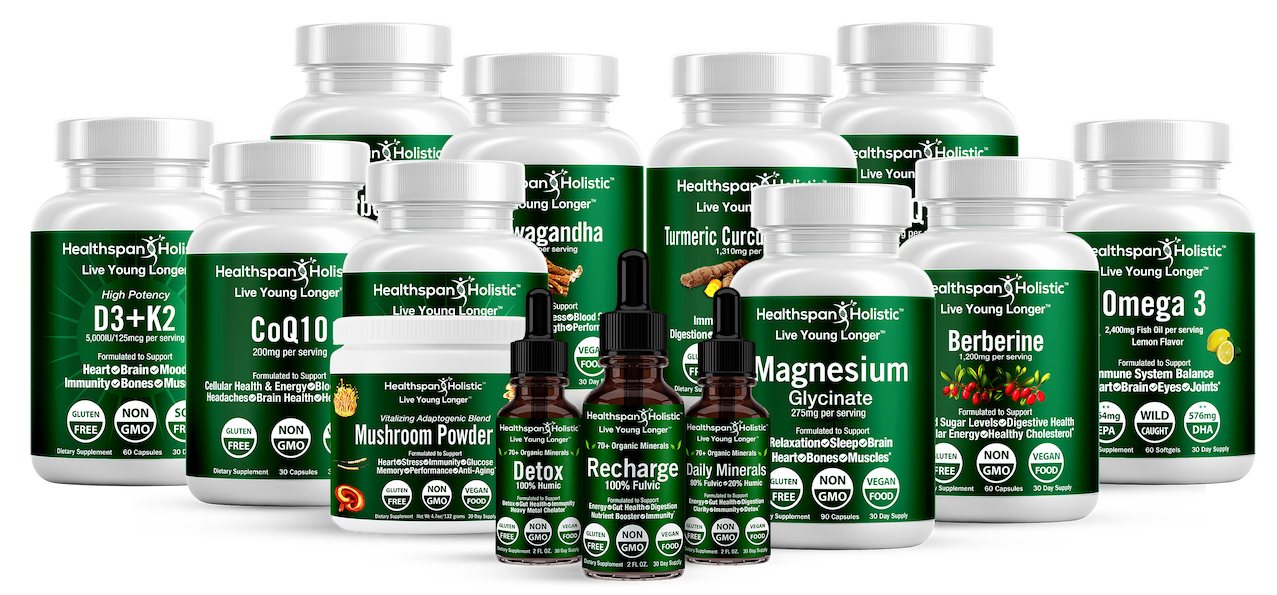
If this guide has given you a clearer picture of what your immune health actually needs, the next step is putting it into practice with the right tools. At Healthspanholistic, we have curated professional-grade immune support supplements designed specifically for adults navigating the changes that come with midlife and beyond.
Our top recommendations include the High Potency Vitamin D3 + K2 for immune regulation and bone support, the ActivNutrients 240 Capsules for comprehensive micronutrient coverage, and our Daily Minerals Fulvic Humic Concentrate to support nutrient absorption at the cellular level.
First-time customers can take advantage of our exclusive Buy 1 Get 1 50% Off offer. It is the perfect opportunity to build out your immune support stack without overspending.
FAQ
What does an immune system support guide actually cover?
A good immune system support guide covers dietary strategies, lifestyle habits like sleep and exercise, and targeted supplementation to help your body maintain balanced, effective immune function. It focuses on preventing the age-related immune decline known as immunosenescence, rather than chasing short-term fixes.
Which vitamins matter most for immune health after 40?
Vitamins D, C, A, and E, along with zinc and selenium, are the most well-researched immune system vitamins for adults. Vitamin D deficiency is particularly common and affects immune cell regulation, so testing your levels is a practical first step.
Can you really boost your immune system with supplements?
Supplements cannot push immune function above its normal ceiling, but they can prevent deficiencies that cause it to drop below optimal. Combined micronutrient therapy using vitamins A, C, D, and zinc has been shown to reduce viral infection risk significantly compared to no supplementation.
How much sleep do you actually need for immune support?
Adults need at least 7 hours of sleep for the immune system to consolidate T-cell and B-cell memory and maintain natural killer cell activity. Consistently sleeping less than 7 hours meaningfully impairs your immune response over time.
When should you see a doctor about immune health concerns?
If you are catching more than two to three infections per year, recovering unusually slowly, or experiencing persistent fatigue, consult a healthcare provider. Ask specifically about testing vitamin D, zinc, and a full blood count to identify correctable deficiencies.
Leave a comment: