

TL;DR:
- KPV peptide is a targeted anti-inflammatory compound that enters inflamed tissues via the PepT1 transporter, reducing inflammation without suppressing the immune system. Animal studies show it lessens gut inflammation and promotes tissue repair, but human evidence is limited. Its effectiveness depends on active inflammation, requiring careful integration into a comprehensive health plan.
KPV peptide is defined as a tripeptide derived from the C-terminal sequence of alpha-melanocyte-stimulating hormone (α-MSH), and its primary benefit is targeted anti-inflammatory action in the gut and skin. Unlike broad immune suppressants, KPV works by selectively entering inflamed tissue through the PepT1 transporter, a protein that activates only in damaged cells. This precision makes KPV one of the more interesting peptides in integrative medicine research for adults dealing with chronic gut inflammation, skin conditions, or slow wound healing. Healthspan Holistic covers KPV here because the science is real, the limitations are equally real, and you deserve a clear picture of both.
What are the KPV peptide benefits and how does it work?
KPV inhibits two key inflammatory signaling pathways: NF-kB and MAPK. These pathways act like alarm systems inside your cells. When they fire repeatedly, they flood your body with pro-inflammatory cytokines, the chemical messengers that drive chronic inflammation. KPV blocks these signals by binding to MC1R and MC3R receptors, reducing cytokine output without shutting down your immune system entirely.
The PepT1 transporter is the detail that sets KPV apart from most anti-inflammatory compounds. PepT1 is upregulated only in inflamed intestinal cells, meaning KPV gets absorbed at the exact sites where inflammation is active. Healthy tissue absorbs very little of it. This is not a coincidence of chemistry. It is a built-in targeting mechanism that makes KPV far more precise than a systemic anti-inflammatory drug.
KPV also avoids the pigmentation side effects associated with its parent hormone, α-MSH. α-MSH stimulates melanin production, which limits its therapeutic use. KPV retains the anti-inflammatory activity without that drawback, making it a cleaner candidate for ongoing research. Experts describe KPV as immune-modulating rather than immune-suppressing, which means your body’s defenses stay intact while targeted inflammation is calmed.
Pro Tip: If you are considering KPV for gut health, timing matters. Because PepT1 uptake depends on active inflammation, people without confirmed gut inflammation may see limited results from oral KPV.
What does research say about KPV for gut health?
Animal studies provide the strongest evidence for KPV’s gut benefits. In mouse models using DSS and TNBS colitis protocols, oral KPV reduced colitis severity by over 50%. That is a meaningful reduction in a well-validated preclinical model. It tells us the mechanism works in living tissue, not just in a lab dish.
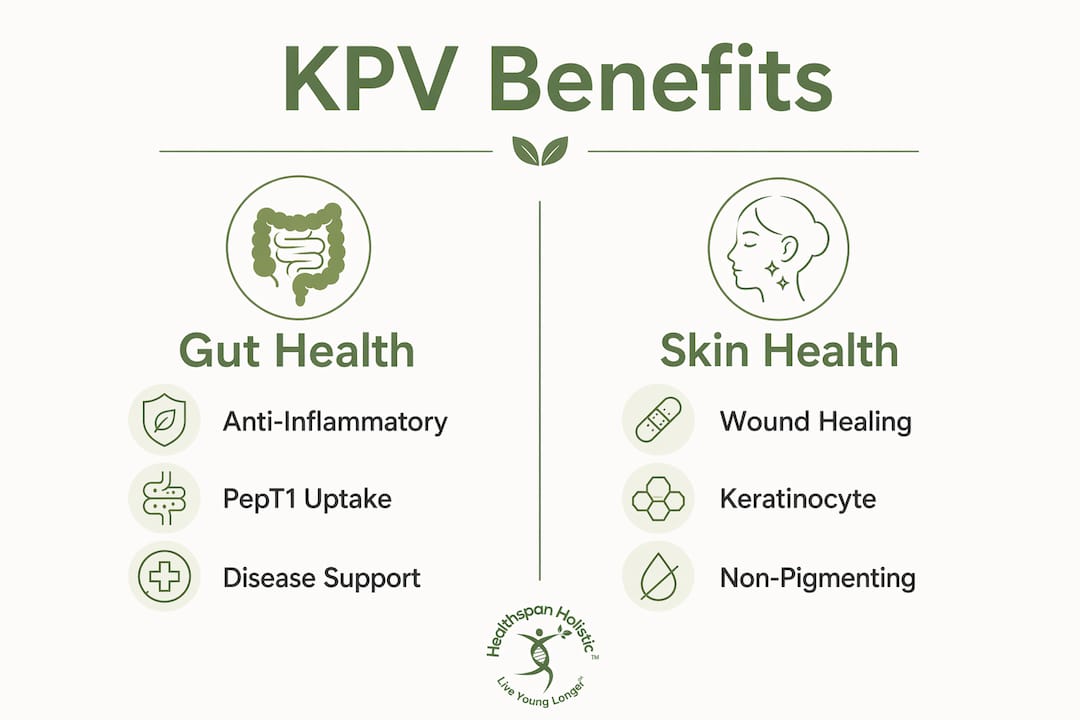
KPV reduces pro-inflammatory cytokines like TNF-alpha and IL-6 while promoting mucosal repair in the intestinal lining. Mucosal repair matters because a damaged gut lining is the root cause of many symptoms adults over 45 associate with aging: bloating, irregular digestion, and food sensitivities. KPV’s ability to address both inflammation and tissue repair in the same mechanism is what makes it worth watching.
Here is what the current evidence supports and where it stops:
-
Preclinical gut benefits: Multiple animal studies confirm reduced colitis severity and lower inflammatory cytokine levels.
-
Mucosal healing: KPV promotes repair of the intestinal lining in animal models.
-
Oral absorption: Absorption studies confirm PepT1-mediated uptake in inflamed tissue with oral dosing.
-
Human evidence: Small-scale observations suggest symptom improvements, but no large randomized controlled trials exist.
-
Regulatory status: KPV is not FDA-approved for any medical condition as of 2026.
The 2008 Gastroenterology study by Dalmasso et al. remains a foundational reference for KPV’s NF-kB inhibition in gut tissue. That study confirmed the mechanism in human intestinal cell lines, which is a step above pure animal data. Still, the gap between cell-line data and a full clinical trial is significant. You should treat KPV as a promising research peptide, not a proven medical treatment.
What are the benefits of KPV peptide for skin health?
KPV accelerates wound healing by promoting keratinocyte migration, the process by which skin cells move to cover an open wound. Animal studies confirm that KPV speeds re-epithelialization and reduces scar formation. For adults over 45, whose skin heals more slowly due to declining collagen turnover, this is a meaningful potential benefit.
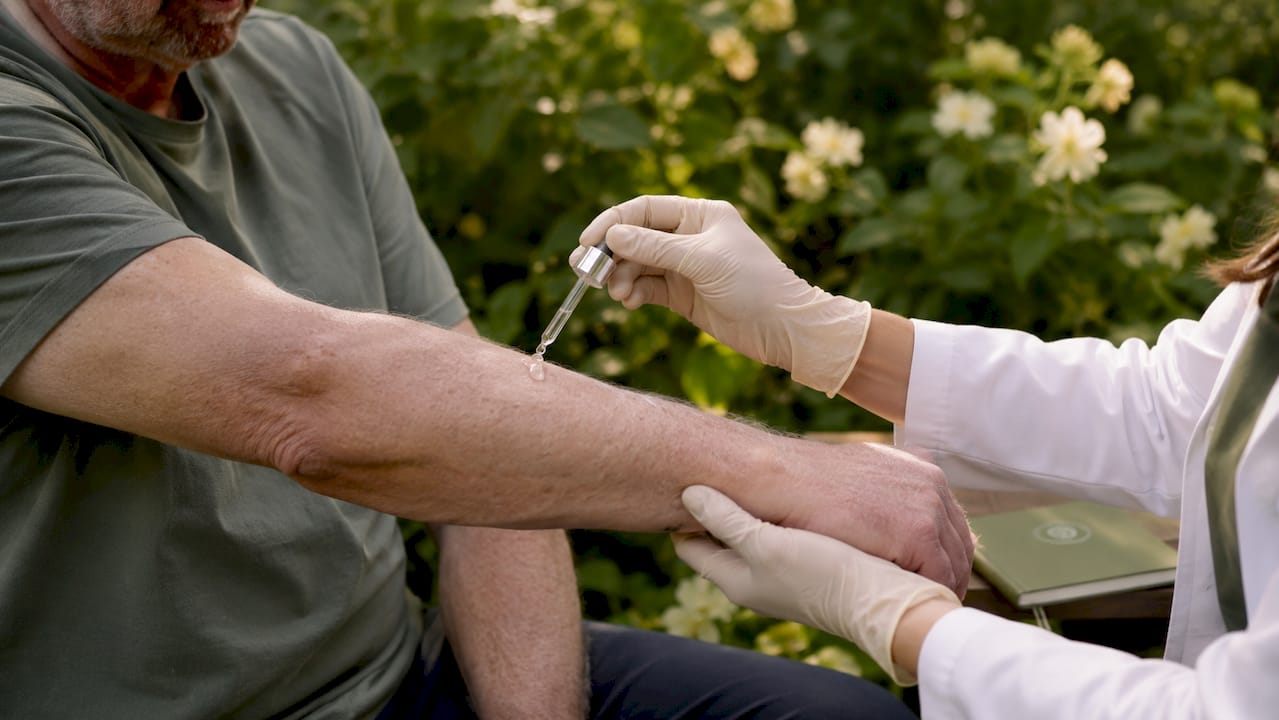
KPV also reduces inflammatory cell infiltration in skin tissue. When you cut yourself or experience a UV-induced skin reaction, immune cells flood the area and can cause excessive inflammation that delays healing. KPV calms that response without blocking it entirely, which means the healing process moves forward without the prolonged redness and swelling that often follows skin injury in older adults.
Key skin-related benefits supported by preclinical research:
-
Faster wound closure through keratinocyte migration
-
Reduced scarring and fibrotic tissue formation
-
Attenuation of UV-induced skin inflammation
-
Lower inflammatory cell infiltration at wound sites
Topical KPV formulations present a practical challenge. Formulation quality varies widely, and the carrier system used to deliver KPV through the skin barrier significantly affects how much active peptide reaches the target tissue. A poorly formulated topical may degrade the peptide before it penetrates. This is not a reason to dismiss topical KPV. It is a reason to be selective about the source and formulation you use.
Pro Tip: When evaluating a topical KPV product, ask about the carrier system and peptide stability. A stable tripeptide backbone in a well-designed delivery vehicle makes a real difference in how much KPV your skin actually absorbs.
How is KPV peptide typically used and dosed?
Practical guidance on KPV administration follows a consistent pattern across integrative medicine practitioners. Here is how it is typically structured:
-
Oral dosing for gut health: The standard range is 200–500 mcg daily, taken on an empty stomach. An empty stomach maximizes PepT1-mediated absorption in the intestinal lining.
-
Dosing frequency: Most protocols use one to two doses per day, spaced to maintain consistent exposure to inflamed tissue.
-
Rectal administration: For lower gut inflammation, rectal delivery places KPV directly at the inflamed tissue. This bypasses upper GI absorption and may improve local effectiveness for conditions affecting the sigmoid colon or rectum.
-
Topical application: Topical formulations target skin inflammation and wound sites. Effectiveness depends heavily on formulation quality, as noted above.
-
Integration with a broader plan: KPV works best as an adjunct to a complete gut or skin health protocol. Dietary changes, stress management, and medical diagnostics all need to be part of the picture.
For a detailed breakdown of dosing protocols, the KPV dosage protocol guide from The Peptide Guide covers functional medicine approaches to administration and absorption timing in practical detail.
Adults over 45 should not use KPV without medical supervision. The absence of FDA approval means there is no standardized clinical protocol, and individual responses vary based on the degree of active inflammation, gut microbiome status, and overall health.
What are the limitations and realistic expectations?
No large-scale human clinical trials for KPV exist as of 2026. The evidence base is primarily preclinical, drawn from animal models and small observational studies. That does not make KPV useless. It means you are working with promising but incomplete data, and your expectations should reflect that reality.
KPV is not a cure for inflammatory bowel disease, chronic skin conditions, or any other condition. It is a targeted supportive tool that addresses one specific mechanism: NF-kB-driven inflammation. If your inflammation has multiple drivers, including diet, stress, sleep disruption, or environmental toxins, KPV alone will not resolve it. Successful peptide protocols integrate KPV with medical diagnostics, dietary adjustments, and ongoing symptom monitoring.
There is also a real risk of placebo effect in self-reported outcomes. People who invest in a new supplement often feel better initially, regardless of the compound’s actual effect. The only way to know whether KPV is working for you is to track objective markers: inflammatory lab values, symptom scores, and tissue healing rates. Healthspan Holistic’s approach to peptide therapy for vitality emphasizes exactly this kind of evidence-based tracking rather than subjective impressions alone.
Key Takeaways
KPV peptide delivers targeted anti-inflammatory effects in the gut and skin by exploiting the PepT1 transporter in inflamed tissue, but it requires integration with diagnostics and lifestyle changes to produce meaningful results.
| Point | Details |
|---|---|
| Targeted mechanism | KPV uses the PepT1 transporter to enter inflamed tissue, sparing healthy cells from unnecessary exposure. |
| Gut health evidence | Animal studies show over 50% reduction in colitis severity; human trials remain limited and small-scale. |
| Skin and wound healing | Preclinical data supports faster wound closure, reduced scarring, and lower UV-induced inflammation. |
| Dosing and administration | Oral doses of 200–500 mcg on an empty stomach are standard; rectal and topical routes target local tissue directly. |
| Realistic expectations | KPV is not FDA-approved and works best as part of a medically supervised, comprehensive health plan. |
KPV’s place in a real wellness plan: my honest assessment
I have followed the peptide research space closely and KPV is one of the compounds I find genuinely interesting for adults in the 45-75 age range. Not because it is a miracle. Because the mechanism is specific and the preclinical data is consistent.
What I see too often is people treating KPV as a standalone fix for gut problems they have had for a decade. They take it for a few weeks, feel marginally better, and conclude it either works or it does not. That is the wrong framework entirely. KPV’s effectiveness is directly tied to the presence of active inflammation and the quality of everything else you are doing. If your diet is still driving gut inflammation every day, KPV is fighting an uphill battle.
The adults who get the most from peptide therapies like KPV are the ones who come in with lab data. They know their inflammatory markers, their gut microbiome status, and their baseline. They use KPV as one precise tool in a larger plan, not as a substitute for the plan itself. That is the approach Healthspan Holistic is built around, and it is the only approach I would recommend to anyone serious about using peptides for long-term health.
For anyone curious about how KPV fits into a broader peptide strategy, the 2026 guide to research peptides on the Healthspan Holistic site gives a grounded overview of where the evidence currently stands.
— Chris
How Healthspan Holistic supports your peptide wellness plan
Healthspan Holistic’s 90 Day Journey to Longevity program is built for adults who want to use tools like KPV the right way: with lab testing, personalized coaching, and a clear plan behind them. The program integrates peptide support with comprehensive blood panels, AI-powered health tracking, and one-on-one guidance to help you measure what is actually changing in your body.
You get the data, the context, and the support to make informed decisions about peptides and supplementation. Whether you are addressing gut inflammation, supporting skin health, or working toward broader longevity goals, the 90 Day program gives you a structured path forward with professional oversight at every step.
1st Time Customers can take advantage of our BUY 1 GET 1 50% OFF special offer on all supplements.
FAQ
What is KPV peptide used for?
KPV peptide is used primarily for its anti-inflammatory effects in the gut and skin. Research supports its use in reducing intestinal inflammation and accelerating wound healing, though human clinical trials remain limited.
How does KPV peptide work in the gut?
KPV enters inflamed intestinal cells through the PepT1 transporter, which is upregulated only in damaged tissue. Once inside, it inhibits NF-kB and MAPK signaling pathways to reduce pro-inflammatory cytokine production.
Is KPV peptide safe to use?
KPV lacks systemic immune suppression and does not shut down host defenses, which gives it a favorable safety profile in preclinical research. However, it is not FDA-approved, and use should be supervised by a qualified healthcare provider.
What is the typical KPV peptide dose for gut health?
The standard oral dose is 200–500 mcg taken one to two times daily on an empty stomach. This timing supports absorption through the PepT1 transporter in inflamed intestinal tissue.
Does KPV peptide work without active inflammation?
Effective oral KPV therapy depends on PepT1 upregulation at inflamed sites. People without active gut inflammation absorb very little oral KPV, which means the benefits are minimal in the absence of confirmed inflammation.
Leave a comment: