

TL;DR:
A holistic detox workflow supports your body’s natural elimination organs through nutrition, hydration, and lifestyle habits instead of harsh cleanses.
Following a phased approach, from reducing toxin intake to long-term maintenance, ensures safe and effective detoxification, especially for adults aged 45 to 75.
A holistic detox workflow is a structured, ongoing process that nourishes your liver, kidneys, digestive tract, skin, and lungs so they can continuously eliminate toxins without harsh cleanses or aggressive supplements. The Academy of Nutrition and Dietetics and Johns Hopkins Medicine both confirm that detoxification is continuous, driven by your organs and the nutrients you feed them every day. This article walks you through the foundational principles, a phased implementation plan, age-specific strategies for adults aged 45–75, and the most common mistakes to avoid so you can build lasting vitality the right way.
What are the foundational principles of a natural detox process?
Your body detoxifies around the clock. The liver filters blood, the kidneys flush waste, the GI tract moves toxins out through bowel movements, the lungs exhale volatile compounds, and the skin sweats out minor waste products. None of these organs need a commercial cleanse to do their job. They need nutrients, water, fiber, and rest.
The food-first detox approach recommended by Johns Hopkins emphasizes five to nine servings of fruits and vegetables daily, adequate lean protein, and consistent hydration. Fiber keeps bowel movements regular, which prevents toxins from being reabsorbed in the colon. Lean protein supplies the amino acids your liver uses to neutralize and package waste for elimination.
Exercise is another pillar that most people underestimate. Physical activity increases circulation, supports lymphatic drainage, and improves metabolic efficiency across all elimination pathways. You do not need intense training. Moderate activity, like a brisk 30-minute walk, is enough to meaningfully support your body’s natural detox process.
What does not work is the shortcut approach. Detox teas, juice cleanses, and supplement-heavy protocols lack evidence for benefit and can cause liver injury and electrolyte imbalances. The science is clear: your organs are the detox system. Your job is to support them, not replace them with a product.
Key principles to build your foundation:
-
Eat 5–9 servings of colorful fruits and vegetables daily
-
Drink enough water to keep urine pale yellow throughout the day
-
Prioritize lean protein at every meal to fuel liver detox enzymes
-
Move your body for at least 30 minutes most days of the week
-
Sleep 7–9 hours nightly to allow cellular repair and waste clearance
Pro Tip: Add a tablespoon of ground flaxseed to your morning meal. It delivers soluble and insoluble fiber in one step, supporting both bowel regularity and cholesterol clearance through the gut.
How to design and implement a phased holistic detox workflow
A phased approach prevents the symptom overload that aggressive cleanses cause. The goal is to open your elimination pathways before you increase the detox load on your system. Think of it like clearing a drain before turning up the water pressure.
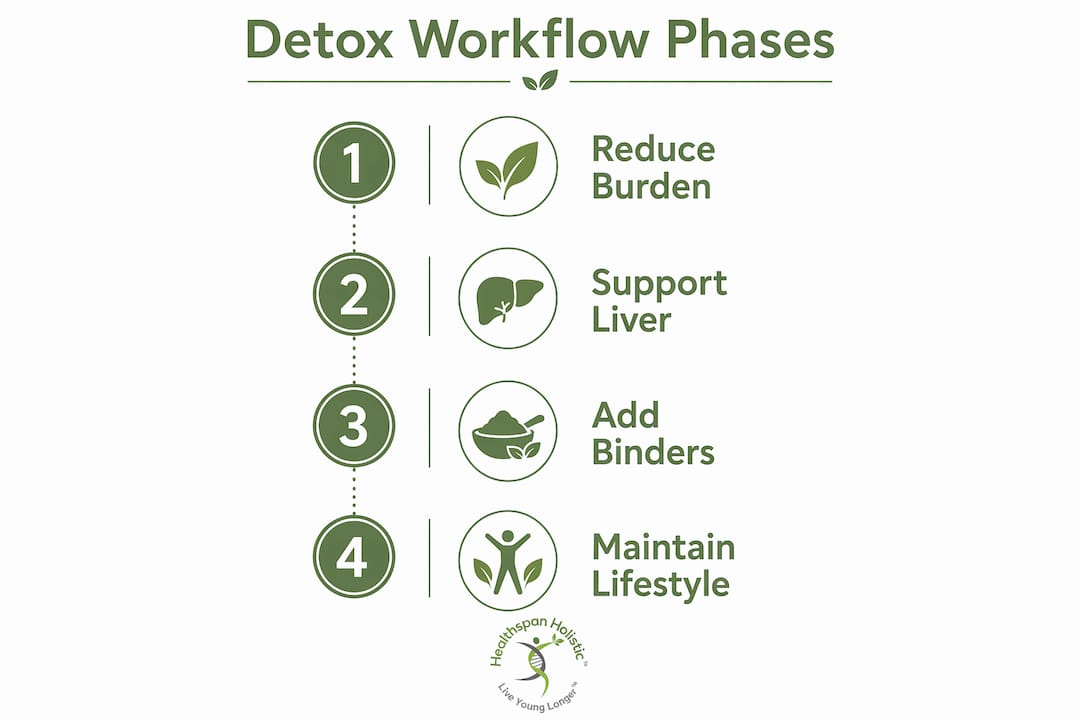
Phase 1: Reduce incoming toxin burden (Weeks 1–2)
Start by cutting the sources of toxins entering your body. Remove processed foods, alcohol, and artificial additives. Switch to filtered water. Choose organic produce for the “dirty dozen” fruits and vegetables most likely to carry pesticide residue. Reduce exposure to synthetic fragrances and chemical-heavy personal care products. This phase is not about restriction. It is about removing unnecessary inputs so your organs can catch up.

Phase 2: Support liver and digestive pathways (Weeks 3–8)
This is the core of your phased detox protocol. Focus on nutrient-dense foods that directly fuel liver conjugation: cruciferous vegetables like broccoli and Brussels sprouts, sulfur-rich foods like garlic and onions, and antioxidant-rich berries. Maintain bowel regularity with fiber and hydration. Add moderate exercise to support lymphatic flow. You can also explore liver support supplements formulated with clinically studied ingredients, but only after your foundational habits are in place.
Phase 3: Add binders or lymphatic support (Weeks 9–12, if needed)
Binders like activated charcoal or modified citrus pectin can help capture toxins in the gut before reabsorption. Use these only under medical guidance. Infrared sauna sessions of 20–30 minutes, three to four times weekly can support elimination of heavy metals through sweat as a complementary step. Read the science behind this approach in Healthspan Holistic’s guide on sauna and toxin release before you start.
Phase 4: Maintain your detox lifestyle long-term
The maintenance phase is where real results live. Sustaining the habits from phases 1 and 2 prevents re-exposure and keeps your elimination organs working at their best. The Academy of Nutrition and Dietetics confirms that detox is highly individual, shaped by genetics, environment, and health history. A long-term, personalized approach always outperforms a short-term cleanse.
| Phase | Goal | Duration |
|---|---|---|
| Phase 1: Reduce burden | Cut toxin inputs from food, water, and environment | Weeks 1–2 |
| Phase 2: Support pathways | Fuel liver and gut with targeted nutrition and movement | Weeks 3–8 |
| Phase 3: Add binders | Cautiously add binders or sauna with medical oversight | Weeks 9–12 |
| Phase 4: Maintain | Sustain lifestyle habits to prevent re-exposure | Ongoing |
Pro Tip: Before adding any binder supplement, confirm you are having at least one full bowel movement daily. Clinical practice shows that hydration and bowel regularity before adding binders significantly reduces adverse effects and symptom confusion.
Which natural detox strategies best support adults aged 45 to 75?
Adults in the 45–75 age range face specific physiological changes that make aggressive detox protocols genuinely risky. Kidney filtration rate declines with age. Gut microbiome diversity decreases. Hormonal shifts affect how the liver processes certain compounds. Your detoxification strategies need to account for these realities.
A functional nutrition checklist tailored to adults in this age group helps you adjust diet and lifestyle stepwise without overwhelming your system. Healthspan Holistic offers exactly this kind of personalized, age-aware guidance.
Age-specific strategies that work:
-
Fiber with resistant starch and inulin: Foods like cooked-and-cooled potatoes, green bananas, and chicory root feed beneficial gut bacteria. Research shows that functional fiber combined with moderate exercise reduced inflammation by 42.1% in a 24-week clinical trial. That is a meaningful reduction for anyone managing chronic low-grade inflammation.
-
Moderate-intensity exercise: Walking, swimming, and cycling support circulation and lymphatic drainage without stressing aging joints or elevating cortisol. Aim for 150 minutes of moderate activity per week, spread across most days.
-
Hydration targets: Older adults often have a diminished thirst response. Aim for at least eight cups of water daily and track intake actively rather than relying on thirst as a signal.
-
Sleep as a detox tool: The glymphatic system, your brain’s waste clearance network, operates primarily during deep sleep. Seven to nine hours of quality sleep each night is non-negotiable for effective detoxification.
-
Avoid fasting extremes: Prolonged fasting can deplete electrolytes and muscle mass in older adults. If you want to try time-restricted eating, a 12-hour overnight fast is a safe and well-tolerated starting point.
Sutter Health notes that educating older adults on safe detox workflows directly reduces risks tied to physiological changes and common health conditions. Knowledge is your most protective tool.
Common mistakes and misconceptions about detox workflows
The wellness market sells the idea that you can flush your body clean in three days. You cannot. Your liver processes toxins in two phases that require specific nutrients and time. No tea or juice accelerates that chemistry.
“The body does not require external ‘boosts’ to perform detoxification well in healthy individuals.” — Science-Based Medicine, 2026
Mistakes that can harm you:
-
Relying on detox teas: These products lack evidence for benefit and have been linked to liver injury and dangerous electrolyte shifts. Senna-based teas cause dependency and gut damage with regular use.
-
Colon cleansing at home: Cedars-Sinai medical experts advise against colonics outside clinical settings due to risks including electrolyte imbalance, kidney stress, and microbiome disruption. This is especially true for adults over 45.
-
Misreading detox symptoms: Dizziness, weakness, diarrhea, or pain during a detox protocol are warning signs to stop, not signs that the cleanse is working. These symptoms can indicate dehydration or electrolyte imbalance, not a beneficial “die-off” effect.
-
Skipping medical consultation: If you take prescription medications, have liver or kidney disease, or manage cardiovascular conditions, any detox protocol requires a conversation with your doctor first. Supplements and dietary changes can interact with medications in ways that are not always obvious.
-
Treating detox as a one-time event: A weekend cleanse does nothing lasting. The body’s detox function is continuous, and the only way to support it long-term is through consistent daily habits.
Key Takeaways
A sustainable detox workflow works by consistently supporting your liver, kidneys, gut, and skin through nutrition, hydration, sleep, and movement rather than through any single product or cleanse.
| Point | Details |
|---|---|
| Detox is continuous | Your organs eliminate toxins 24/7. Support them daily with food, water, and sleep. |
| Use a phased approach | Reduce toxin inputs first, then support liver pathways, then add binders cautiously if needed. |
| Age-specific adjustments matter | Adults 45–75 need fiber-rich foods, moderate exercise, and strong hydration to detox safely. |
| Avoid aggressive cleanses | Detox teas and colonics carry real risks including liver injury and electrolyte imbalance. |
| Personalize your plan | Genetics, environment, and health history shape how your body detoxifies. One size does not fit all. |
What I’ve learned after working with adults on detox
Here is the honest truth I share with every person who comes to me frustrated after a failed cleanse: the detox industry profits from making your body’s natural intelligence sound broken. It is not broken. It is just undersupported.
The adults I have seen make the most meaningful progress are not the ones who did the strictest protocols. They are the ones who committed to the boring fundamentals: consistent sleep, daily vegetables, adequate water, and regular movement. Those habits compound over months in ways that a three-day juice fast never will.
What I find genuinely underappreciated is the role of the gut microbiome in detoxification. When microbiome diversity drops, as it tends to after 50, the gut’s ability to process and eliminate certain toxins declines with it. Resistant starches and inulin-rich foods are not glamorous, but they are among the most effective tools available for restoring that diversity without supplements.
I also want to be direct about one thing: if you have a complex health history, including cardiovascular disease, kidney disease, or a history of disordered eating, please work with a qualified practitioner before starting any structured detox plan. The phased workflow described here is designed to be gentle and evidence-based, but individual health status always takes priority over any general framework.
The liver health strategies that actually work after 45 are not dramatic. They are consistent. Start there.
— Chris
Healthspan Holistic’s 90-day program for lasting wellness
If you are ready to move beyond general advice and into a plan built around your specific biology, Healthspan Holistic’s 90 Day Journey to Longevity gives you exactly that. The program combines detailed lab panels, including a metabolic panel to assess your baseline organ function, with one-on-one coaching and professional-grade supplements tailored to your results.
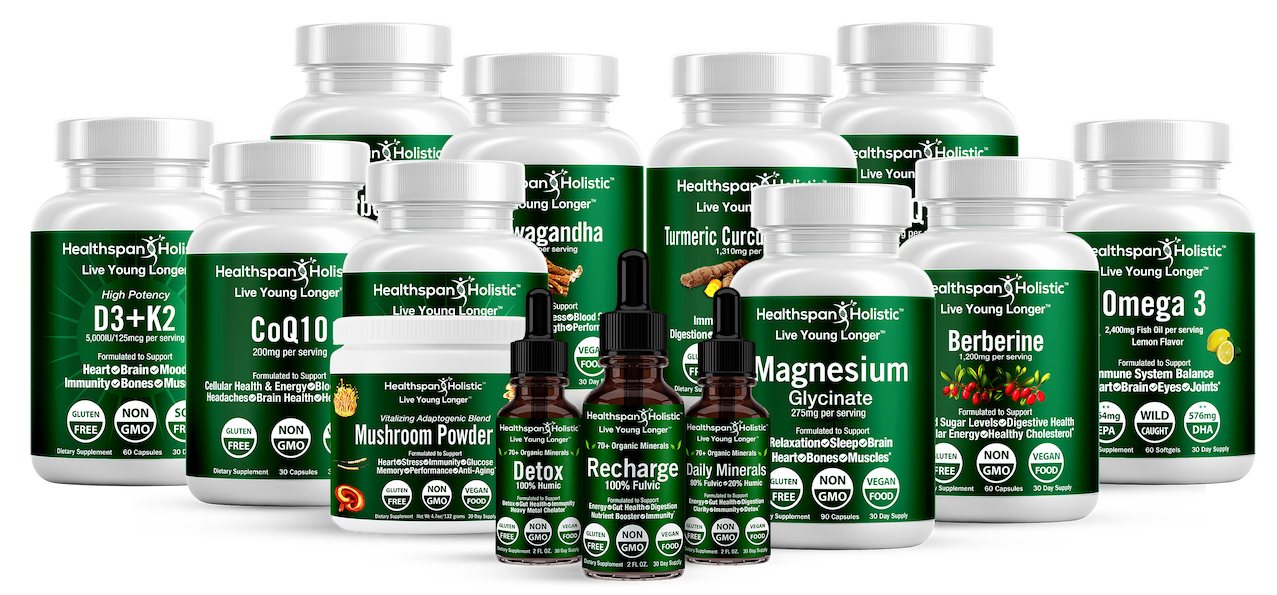
Every supplement in the program is drawn from Healthspan Holistic’s curated collection at Healthspanholistic.com. This is a practical, personalized path to better energy, reduced inflammation, and long-term vitality built on real diagnostics, not guesswork-free wellness promises.
1st Time Customers can take advantage of our BUY 1 GET 1 50% OFF special offer on all supplements.
FAQ
What is a holistic detox workflow?
A holistic detox workflow is a structured, phased approach to supporting your body’s natural elimination organs through nutrition, hydration, sleep, and lifestyle habits. It does not rely on cleanses or supplements to “flush” toxins but instead nourishes the liver, kidneys, gut, lungs, and skin to function at their best.
How long does a holistic detox workflow take to show results?
Most people notice improved energy, digestion, and mental clarity within four to six weeks of consistently following a phased detox plan. Lasting results come from maintaining the foundational habits long-term, not from a short-term protocol.
Are detox teas or cleanses safe for adults over 45?
Detox teas and commercial cleanses are not recommended for adults over 45. A 2026 review published in Frontiers in Nutrition found these products lack evidence for benefit and carry risks including liver injury and electrolyte imbalance, which are especially serious for older adults.
What foods best support natural detoxification after 50?
Cruciferous vegetables like broccoli and Brussels sprouts, sulfur-rich foods like garlic, fiber-rich resistant starches, and antioxidant-dense berries all directly fuel liver detox pathways. Combining these with adequate hydration and lean protein gives your organs the nutrients they need to work efficiently.
When should I consult a doctor before starting a detox plan?
Consult your doctor before starting any detox plan if you take prescription medications, have kidney or liver disease, or manage a cardiovascular condition. Symptoms like dizziness, weakness, or diarrhea during a detox protocol are warning signs to stop and seek medical evaluation, not signs of progress.
Leave a comment: