

TL;DR:
- Adaptogenic herbs like ashwagandha, rhodiola, and reishi help regulate the body’s stress response by balancing cortisol and supporting the immune system. They require consistent use over four to eight weeks, with proper dosing and timing, to build systemic balance and resilience. These herbs are most effective when combined with healthy lifestyle habits and used under medical guidance if necessary.
Adaptogenic herbs for stress are natural plant compounds that help your body regulate its own stress response rather than simply suppressing or stimulating it. Ashwagandha, rhodiola, and reishi are the three most clinically studied examples, each working through distinct biological pathways to restore balance. Clinical trials show that 600 mg of ashwagandha daily for 8 weeks reduces serum cortisol by about 28% and cuts perceived stress scores by 44% compared to placebo. That kind of measurable shift makes adaptogens far more than a wellness trend. They are serious tools for adults who want natural remedies for anxiety and long-term resilience.
How do adaptogenic herbs work to reduce stress?
Adaptogens work by balancing the HPA axis and normalizing cortisol rhythms rather than suppressing stress hormones outright. The HPA axis is your body’s central command for stress. When it fires too often or stays activated too long, cortisol stays elevated, sleep suffers, energy crashes, and mood destabilizes. Adaptogens act like a governor on that system, keeping it responsive without letting it run wild.
Each herb targets a different part of the stress response:
-
Ashwagandha modulates the HPA axis directly, reducing cortisol output and calming the nervous system over weeks of use.
-
Rhodiola acts on the sympathoadrenal system, influencing monoamine neurotransmitters like dopamine and serotonin to sharpen focus and reduce fatigue.
-
Reishi works through immune cytokine modulation, calming inflammatory signals that chronic stress triggers.
-
Holy basil supports adrenal function and helps stabilize blood sugar, which spikes and crashes under stress.
-
Ginseng stimulates the central nervous system mildly while supporting immune resilience and energy metabolism.
One of the most underappreciated features of adaptogens is their bidirectional balancing effect. They calm an overstimulated system and energize a depleted one. That is why the same herb can help both an anxious person and an exhausted one. Adaptogens also trigger the production of heat shock proteins, cellular defense molecules that protect tissues from the damage chronic stress causes at the molecular level. This antioxidant and cytoprotective action is what separates adaptogens from simple calming herbs like chamomile or valerian.
Which adaptogenic herbs are best for your stress type?

Matching the right herb to your specific stress pattern is the single most effective way to get results. A person dealing with high-cortisol anxiety and poor sleep needs a different tool than someone facing burnout and mental fog. The table below maps the top adaptogens to their primary mechanisms, benefits, typical doses, and onset times.
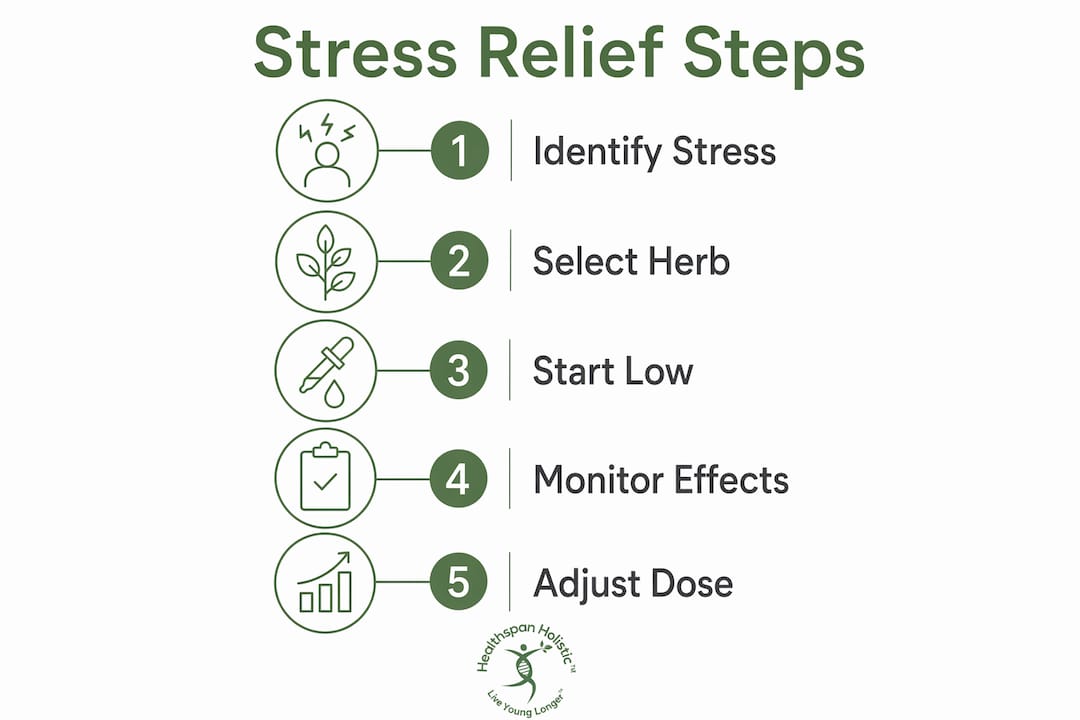
| Herb | Primary mechanism | Best for | Typical dose | Onset |
|---|---|---|---|---|
| Ashwagandha | HPA axis modulation, cortisol reduction | Chronic stress, anxiety, sleep disruption | 300–600 mg/day | 4–8 weeks |
| Rhodiola | SAM system, monoamine regulation | Burnout, mental fatigue, cognitive pressure | 200–600 mg/day | 30–60 minutes |
| Reishi | Immune cytokine modulation | Mild calming, immune support, sleep | 1,000–2,000 mg/day | 2–4 weeks |
| Holy basil | Adrenal and blood sugar support | Mood, energy, balanced stress response | 300–600 mg/day | 2–4 weeks |
| Ginseng | CNS stimulation, immune support | Low energy, fatigue, general resilience | 200–400 mg/day | 2–4 weeks |
Rhodiola rosea produces noticeable anti-fatigue and cognitive effects within 30–60 minutes, which makes it the standout choice for acute mental pressure. That speed is unusual among adaptogens. Most require weeks of consistent use to build systemic balance. Rhodiola extract standardized to 3% rosavins and 1% salidroside has the strongest clinical backing for fatigue, concentration, and emotional exhaustion. Healthspan Holistic’s Rhodiola Extract Plus uses a standardized extract that meets those clinical benchmarks.
Other adaptogens worth knowing include lion’s mane for neurological support and cognitive clarity, cordyceps for physical endurance and oxygen utilization, and schisandra for liver protection and stress-induced fatigue. Their evidence base is thinner than ashwagandha or rhodiola, but they fit well in broader wellness stacks.
Pro Tip: If you are new to herbal supplements for anxiety, start with a single adaptogen for at least 4 weeks before adding a second. This lets you clearly identify what is working and catch any sensitivity early.
How to use adaptogenic herbs effectively for stress management
Getting results from adaptogens depends on three things: the right form, the right dose, and the right timing. Most people skip at least one of these and then conclude that adaptogens do not work.
-
Choose standardized extracts. Standardized extracts like KSM-66 for ashwagandha and SHR-5 for rhodiola guarantee consistent bioactive concentrations. Generic root powders often lack the potency seen in clinical trials. KSM-66 and Sensoril are the two most validated ashwagandha formats, both standardized for withanolide content.
-
Follow clinical doses. For ashwagandha, 300–600 mg of a standardized extract daily is the clinically supported range. For rhodiola, 200–600 mg of an extract standardized to 3% rosavins is the target. Do not assume more is better. Higher doses of some adaptogens can cause overstimulation or GI discomfort.
-
Time your adaptogens strategically. Energizing adaptogens like rhodiola and ginseng work best taken in the morning to support daily performance without disrupting sleep. Calming adaptogens like reishi and holy basil are best taken in the evening to support sleep and overnight recovery.
-
Be consistent for 4–8 weeks. Adaptogens build systemic balance over time rather than delivering instant effects. Stopping at week two because you feel nothing is the most common reason people write them off. Commit to the full cycle before evaluating.
-
Stack carefully. Combining ashwagandha and rhodiola is one of the most popular and well-tolerated pairings. Ashwagandha handles the cortisol and nighttime recovery side; rhodiola handles daytime mental performance. Add a third adaptogen only after you have established a baseline with the first two.
-
Choose your format. Capsules and standardized tinctures deliver the most reliable doses. Teas and culinary powders like ashwagandha in golden milk are enjoyable but typically provide lower concentrations. Gummies vary widely in quality and dose accuracy.
Pro Tip: Take adaptogenic capsules with a small meal to improve absorption and reduce the chance of stomach upset, especially with higher doses of ashwagandha.
What precautions should you take with adaptogenic herbs?
Adaptogens are not universally safe for everyone, and “natural” does not mean risk-free. Ashwagandha may interact with immunosuppressants, sedatives, and thyroid medications, which means anyone on prescription drugs needs to consult a healthcare provider before starting. This is not a formality. These interactions can meaningfully alter drug efficacy.
Key safety considerations include:
-
Thyroid conditions: Ashwagandha can influence thyroid hormone levels. People with hypo- or hyperthyroidism should get thyroid labs checked before use.
-
Pregnancy and nursing: Most adaptogens lack safety data for pregnant or nursing individuals. Avoid use unless a physician specifically approves it.
-
Autoimmune conditions: Adaptogens that stimulate immune function, like ginseng and reishi, may worsen autoimmune flares in some people.
-
Psychiatric medications: Adaptogens are not replacements for prescribed psychiatric care. They may complement treatment, but only under medical supervision.
-
Quality and purity: Third-party tested supplements reduce the risk of contamination and mislabeling. Look for NSF Certified for Sport, USP, or Informed Sport seals on labels.
Start with one adaptogen at a low dose and monitor your body’s response for two weeks before increasing. Common side effects include mild GI upset, drowsiness with calming herbs, or overstimulation with energizing ones. Discontinue use and consult a doctor if you notice persistent side effects. The role of adaptogens in wellness is supportive, not curative, and that distinction matters when managing real health conditions.
How do adaptogens fit into a complete stress wellness plan?
Adaptogens work best as supportive scaffolding for a life that already includes quality sleep, balanced nutrition, regular movement, and genuine stress management practices. They amplify what good habits build. They cannot replace those habits.
A complete stress wellness plan looks like this:
-
Sleep: 7–9 hours of consistent, quality sleep is the single most powerful stress recovery tool available. Reishi and holy basil taken in the evening support this directly.
-
Nutrition: A diet rich in whole foods, healthy fats, and adequate protein stabilizes blood sugar and supports adrenal function. Learn more about how nutrition affects mental health and why it matters alongside supplementation.
-
Movement: Regular aerobic and resistance exercise reduces baseline cortisol and improves HPA axis sensitivity over time.
-
Stress management practices: Breathwork, meditation, and time in nature all reduce sympathetic nervous system activation in ways adaptogens cannot replicate alone.
-
Personalized testing: An adrenal stress test measures your cortisol curve across the day, giving you real data on whether your HPA axis is overactive, underactive, or dysregulated. That information makes adaptogen selection far more precise.
Integrative health approaches, which combine evidence-based diagnostics with lifestyle and supplementation, consistently outperform single-intervention strategies. Healthspan Holistic’s approach to integrative health for adults reflects exactly this model. Adaptogens are one powerful piece of a larger picture.
Key Takeaways
Adaptogenic herbs reduce stress by regulating the HPA axis and cortisol over 4–8 weeks of consistent use, not by delivering instant relief.
| Point | Details |
|---|---|
| Match herb to stress type | Ashwagandha suits chronic anxiety; rhodiola suits burnout and mental fatigue. |
| Use standardized extracts | KSM-66 and SHR-5 deliver clinically validated bioactive concentrations. |
| Time your dose correctly | Take energizing adaptogens in the morning and calming ones in the evening. |
| Commit to 4–8 weeks | Adaptogens build systemic balance gradually; early discontinuation leads to perceived failure. |
| Consult a provider first | Ashwagandha and others can interact with thyroid, sedative, and immune-suppressing medications. |
What I’ve learned from working with adaptogens
Most people come to adaptogens expecting something close to a pharmaceutical effect. They want to feel different by tomorrow. That expectation is the biggest obstacle to actually benefiting from these herbs.
What I have observed consistently is that the people who get the most from adaptogens are the ones who treat them like a long-term investment. They pick one herb, use a quality standardized extract, and give it six to eight weeks without changing anything else. Then they can actually tell what shifted. The ones who stack four adaptogens in week one, switch brands in week three, and quit in week five never get a clear signal.
Quality sourcing is non-negotiable. I have seen people use generic ashwagandha root powder for months with no result, switch to a KSM-66 standardized extract, and notice a real difference within three weeks. The withanolide content in those two products is not even comparable.
The other thing worth saying plainly: adaptogens are not a substitute for addressing what is actually causing your stress. If your sleep is wrecked, your diet is poor, and you are not moving your body, ashwagandha will soften the edges but it will not fix the foundation. Use these herbs as part of a real plan, not as a workaround for one.
— Chris
Support your stress resilience with Healthspan Holistic
Adaptogens are most effective when paired with personalized data about your own stress biology. Healthspan Holistic’s 90 Day Journey to Longevity program combines lab testing, one-on-one coaching, and targeted supplementation to build lasting stress resilience from the inside out.
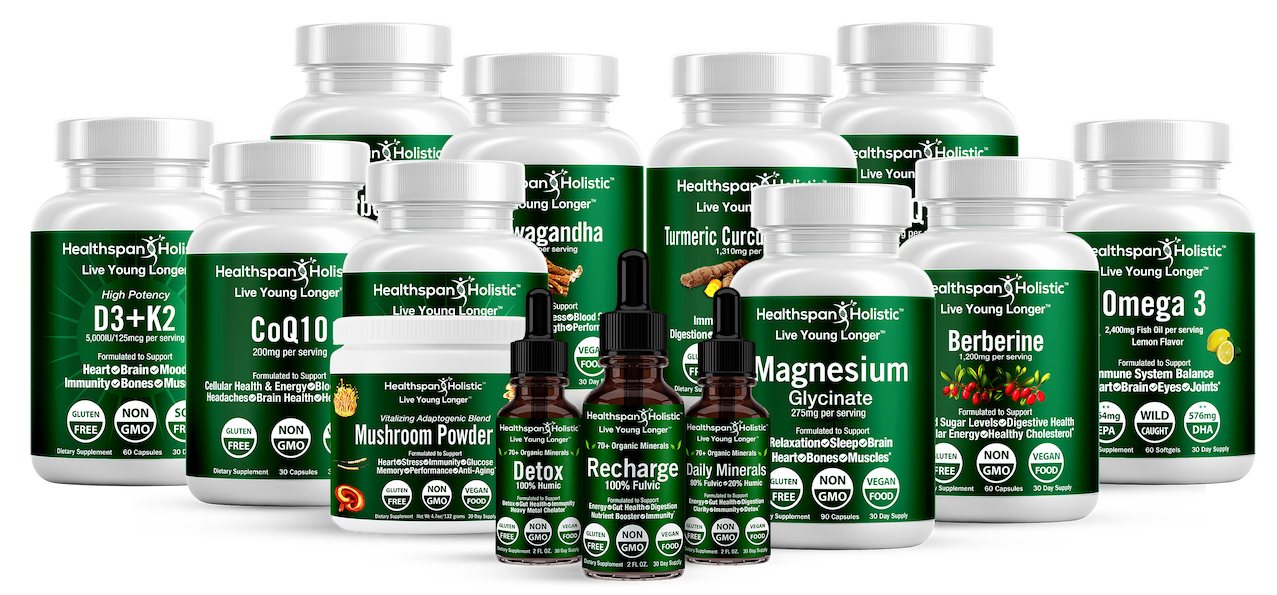
Checkout our Vitalizing Adaptogenic Blend which features all organic ingredients. We also carry an organic Ashwagandha with black pepper to boost absorption. For deeper insight into your cortisol patterns, the Magnesium RBC Test helps identify mineral deficiencies that amplify stress responses. 1st Time Customers can take advantage of our BUY 1 GET 1 50% OFF special offer on all supplements.
FAQ
What are the best adaptogens for stress and anxiety?
Ashwagandha is the top choice for chronic stress and anxiety, with clinical trials showing a 44% reduction in perceived stress scores at 600 mg daily. Rhodiola suits burnout and mental fatigue, while reishi supports calm and sleep.
How long does it take for adaptogenic herbs to work?
Most adaptogens require 4–8 weeks of consistent daily use to produce measurable effects. Rhodiola is the exception, with noticeable cognitive and anti-fatigue benefits appearing within 30–60 minutes.
Can you take multiple adaptogenic herbs together?
Yes, combining adaptogens like ashwagandha and rhodiola is generally safe and well-tolerated. Start with one herb for at least four weeks before adding a second so you can clearly assess each herb’s effect.
Are herbal supplements for anxiety safe with prescription medications?
Not always. Ashwagandha can interact with thyroid medications, sedatives, and immunosuppressants. Always consult a healthcare provider before combining adaptogens with any prescription drug.
What is the difference between a standardized extract and a root powder?
Standardized extracts like KSM-66 guarantee specific concentrations of active compounds such as withanolides. Generic root powders often lack the potency used in clinical trials and may not produce the same results.
Leave a comment: