

A glutathione injection delivers the body’s master antioxidant directly into the bloodstream, bypassing the digestive tract entirely for complete bioavailability. Glutathione itself is a tripeptide produced naturally in your cells, built from three amino acids: glycine, cysteine, and glutamate. It sits at the center of your body’s detoxification system, neutralizing free radicals and supporting liver function at a level no other endogenous antioxidant quite matches.
People seek out this therapy for a range of reasons:
-
Detoxification support: Glutathione is a critical cofactor in the liver’s Phase II detox pathways, helping bind and eliminate toxins and heavy metals.
-
Immune function: Adequate glutathione levels support lymphocyte activity and overall immune resilience.
-
Skin lightening and anti-aging: Injections are widely used cosmetically to reduce melanin production and improve skin tone.
-
Neurological support: Some clinicians use IV glutathione off-label for conditions like Parkinson’s disease and post-COVID fatigue.
-
Chemotherapy support: Certain oncology protocols use it to reduce treatment-related toxicity.
Oral glutathione supplements exist, but the gut breaks down a significant portion before it reaches circulation. Injections sidestep that problem entirely, which is why they’ve become popular in wellness clinics across the U.S.
Healthspan Holistic offers both glutathione injections as well as a curated range of high-bioavailability glutathione supplements for those who want the benefits without the needle.
How glutathione injections work in the body
Glutathione’s primary job is neutralizing reactive oxygen species (ROS), the unstable molecules that damage cells, accelerate aging, and contribute to chronic disease. Think of it as your cells’ internal cleanup crew, constantly mopping up oxidative debris before it causes lasting harm.
When you receive a glutathione injection, the molecule enters plasma immediately and reaches tissues within minutes. This is the core advantage over oral dosing: no first-pass metabolism, no gut degradation. However, plasma half-life runs only minutes, meaning the spike is real but brief. The body rapidly distributes and metabolizes injected glutathione, so the therapeutic window is narrow.

| Delivery Method | Bioavailability | Onset | Duration of Elevated Levels |
|---|---|---|---|
| Intravenous (IV) | High | Minutes | Brief plasma half-life |
| Intramuscular (IM) | High | 15 minutes | Slightly longer than IV |
| Oral capsule | Low–moderate | 30 minutes | Variable |
| Liposomal oral | Moderate–high | 30 minutes | Variable |
Beyond antioxidant activity, glutathione acts as a cofactor in liver Phase II detoxification, conjugating with toxins to make them water-soluble and excretable. Your body synthesizes it endogenously from dietary precursors, but synthesis declines with age, chronic illness, and oxidative stress. Exogenous administration via injection temporarily restores circulating levels, though whether those transient spikes translate to lasting intracellular benefit remains an active area of research.
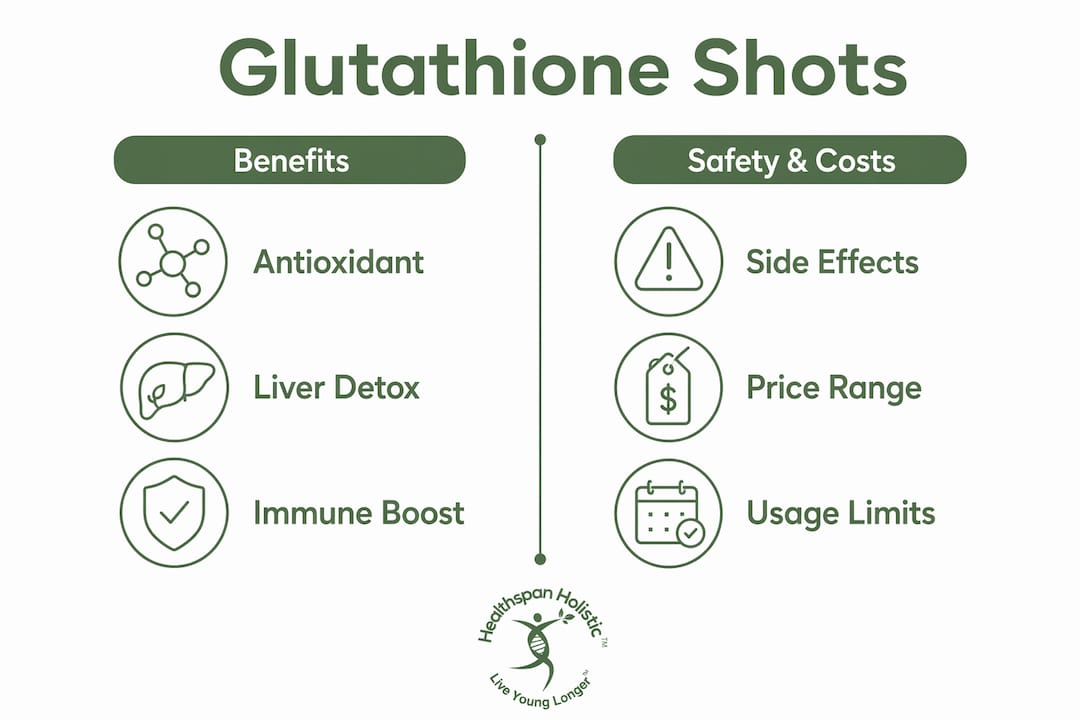
What are glutathione injections actually used for?
The applications split cleanly into two categories: medical and cosmetic. Both are real, but the evidence behind them varies considerably.
Medical uses:
-
Liver support: Clinicians use IV glutathione to support detoxification in patients with hepatic stress, though evidence is largely observational.
-
Chemotherapy toxicity reduction: Some oncology protocols incorporate glutathione infusions to reduce cisplatin-related neuropathy.
-
Parkinson’s disease: Small pilot studies have explored IV glutathione for motor symptom relief, with mixed but intriguing results.
-
Post-COVID recovery: Practitioners report using it for fatigue and oxidative stress, though controlled trial data remains limited.
Cosmetic uses:
Skin lightening is the most commercially prominent cosmetic application. Glutathione inhibits tyrosinase, the enzyme responsible for melanin synthesis, shifting pigment production toward lighter eumelanin. Randomized controlled trials show modest, variable results. Japan and South Korea have approved injectable glutathione for this cosmetic indication. The U.S. has not.
That regulatory gap matters. Glutathione injections are not FDA-approved for any indication in the United States. They’re available through compounding pharmacies operating under 503B regulations, which means quality control varies by source. Patients using these products are doing so off-label, and that carries real implications for safety and consistency.
Dosage and administration: what a typical session looks like
Protocols differ depending on the clinical goal, but most U.S. providers follow a general framework.
| Dose Range | Administration Method | Infusion Time | Typical Frequency |
|---|---|---|---|
| 600 mg | Slow IV push or IM | 10–15 min | 1–2x weekly (induction) |
| 1,000 mg | IV drip in saline | 15 minutes | Weekly (maintenance) |
| — | IV drip in saline | 45–60 min | Biweekly or monthly |
Typical dosing protocols require 600–2,400 mg per session, administered intravenously over 15–60 minutes, usually 1–3 times weekly initially, depending on clinical goal. Slow IV push is preferred to reduce side effects, with higher doses requiring longer infusion times for safety.
-
Dilution in sterile saline is standard practice for IV drip protocols.
-
Co-administered nutrients often include alpha-lipoic acid, vitamin C, and B-complex vitamins to support glutathione recycling and enhance antioxidant activity.
-
Intramuscular injections are a simpler alternative to IV, with slightly slower onset but comparable bioavailability for lower doses.
-
Post-injection expectations: Mild fatigue or a brief flushing sensation is common and typically resolves within an hour.
Pro Tip: If you’re exploring IV glutathione, ask your provider specifically whether they use pharmaceutical-grade compounded product. The source of the raw material matters more than most patients realize.
How much do glutathione injections cost in the U.S.?
Glutathione injections are almost universally out-of-pocket expenses. Insurance does not cover them for cosmetic purposes, and even for off-label medical uses, coverage is rare. Costs vary based on several factors:
-
Dose per session: Higher doses require more product and longer chair time, both of which increase cost.
-
Geographic location: Clinics in major metro areas typically charge more than those in smaller markets.
-
Provider type: Medical spas, integrative medicine clinics, and compounding pharmacy-affiliated providers all price differently.
-
Frequency of treatment: Induction protocols requiring multiple weekly sessions add up quickly.
-
Product quality: Pharmaceutical-grade compounded glutathione costs more than dietary-grade sourced product.
By contrast, high-quality oral glutathione supplements, including liposomal and S-acetyl formulations, cost a fraction of a single injection session and can be taken daily at home. For most people not dealing with acute medical needs, the cost-to-benefit ratio of oral supplementation is considerably more favorable.
Safety, side effects, and what you need to know before starting

Most people tolerate glutathione injections reasonably well when administered correctly by a qualified provider. That said, the risk profile deserves honest attention.
Common mild side effects:
-
Nausea or stomach discomfort (more common with rapid administration)
-
Headache
-
Injection site pain or bruising
-
Dizziness or lightheadedness
-
Transient sulfur-like odor during infusion
Serious but rare adverse events:
Serious adverse effects include Stevens-Johnson syndrome, allergic reactions, and liver toxicity, most often linked to contaminated or improperly compounded products. These are rare, but they are documented. The FDA issued a safety alert in 2019 specifically about the risks of compounding glutathione injectables from dietary-grade powder rather than pharmaceutical-grade starting material.
Contraindications to discuss with your provider:
-
Pregnancy or breastfeeding
-
Known sulfur sensitivity
-
Glucose-6-phosphate dehydrogenase (G6PD) deficiency
-
Active kidney or liver disease
“Intravenous glutathione carries the risk of reductive stress, which may impair mitochondrial and immune function if dosed excessively. Careful clinical oversight is not optional — it is the baseline standard of care for this therapy.” — ScienceDirect, 2025
One underappreciated concern: long-term, high-dose injection protocols may theoretically suppress your body’s own glutathione synthesis by reducing the demand signal for endogenous production. This is not yet conclusively proven in humans, but it’s a pharmacological consideration that experienced clinicians take seriously.
Alternatives that raise your glutathione levels effectively
Here’s something the wellness industry doesn’t always say clearly: injecting glutathione directly is not necessarily the most physiologically sound way to raise intracellular levels. Clinical evidence favors precursor supplementation, particularly N-acetylcysteine (NAC), as a more pharmacologically rational approach for most people.
Why? Because your cells synthesize glutathione from its precursors on demand. Supplying those precursors, especially cysteine via NAC, supports natural production without creating the non-physiological plasma spikes that experts caution against. Oral NAC is typically dosed daily within a moderate range supported by clinical validation.
Beyond NAC, several oral glutathione formulations have meaningfully improved bioavailability compared to standard capsules:
-
Liposomal glutathione: Encapsulates glutathione in phospholipid vesicles that protect it through the gut and enhance cellular uptake. Quicksilver’s 1.7oz Liposomal Glutathione is formulated specifically for detox support and absorption.
-
S-Acetyl Glutathione 60 Capsules: The acetylated form is more stable in the digestive tract and crosses cell membranes more readily than standard glutathione.
-
S-Acetyl Glutathione 120 Capsules: The same high-bioavailability formula in a larger supply for sustained daily support.
-
Alpha-lipoic acid: Recycles oxidized glutathione back to its active form, effectively amplifying whatever glutathione your body has available.
1st-Time Customers can take advantage of our BUY 1 GET 1 50% OFF special offer on all supplements.
For most people over 40 looking to restore antioxidant capacity, a combination of liposomal glutathione and alpha-lipoic acid provides a practical, cost-effective, and clinically grounded starting point.
Potential interactions with medications and health conditions
Glutathione therapy, whether injected or supplemented orally, doesn’t exist in a vacuum. Several interactions are worth knowing before you start.
Medications that may interact:
-
Chemotherapy agents: Glutathione’s cytoprotective effects could theoretically reduce the efficacy of certain platinum-based drugs like cisplatin. Oncologists should be consulted before combining these.
-
Immunosuppressants: Because glutathione supports immune function, high-dose therapy could potentially interfere with immunosuppressive regimens used after organ transplants.
-
Nitroglycerin: Glutathione may potentiate vasodilatory effects, which is relevant for patients managing cardiovascular conditions with nitrate medications.
Health conditions requiring extra caution:
-
Asthma: Inhaled or IV glutathione has triggered bronchospasm in some asthmatic patients.
-
Kidney disease: Impaired clearance may alter how the body processes injected glutathione and its metabolites.
-
Autoimmune conditions: Modulating immune activity through antioxidant therapy can have unpredictable effects in autoimmune disease contexts.
Always disclose all current medications and health conditions to your provider before starting any glutathione protocol. This is especially true for injectable forms, where the dose and speed of delivery amplify both benefits and risks.
Key Takeaways
Glutathione injections offer high bioavailability and direct antioxidant support, but their short plasma half-life, regulatory status, and safety profile make oral precursor supplementation the better long-term choice for most people.
| Point | Details |
|---|---|
| Bioavailability advantage | IV glutathione delivers high bioavailability but plasma half-life is brief. |
| Regulatory status in the U.S. | Not FDA-approved for any indication; available only through compounding pharmacies under 503B rules. |
| Dosing range | Dosing per session varies and administration time depends on dose. |
| Safety considerations | Serious risks include Stevens-Johnson syndrome and liver toxicity, usually linked to poor-quality compounding. |
| Healthspan Holistic supplements | Liposomal Glutathione and S-Acetyl Glutathione offer safer, cost-effective daily support with improved oral bioavailability. |
The case for thinking twice before the needle
Glutathione is genuinely one of the most important molecules in your body. That part isn’t hype. What deserves more scrutiny is whether injecting it is the right delivery method for most people seeking better health or a brighter complexion.
The appeal of IV glutathione is understandable. It feels decisive, clinical, and immediate. But the pharmacology tells a more complicated story. That 5–10 minute plasma half-life means the spike is real and brief. Whether transient elevation translates to meaningful intracellular benefit in healthy individuals remains, as clinical evidence suggests, largely unproven. You’re paying a premium for a window of elevated plasma levels that your cells may not fully capitalize on.
Precursor supplementation, particularly NAC and liposomal glutathione, works with your body’s own synthesis machinery rather than bypassing it. That’s not a consolation prize. For most people over 40, it’s the smarter, safer, and more sustainable path. Injections have a legitimate role in acute clinical settings, specific medical protocols, and supervised cosmetic programs. But as a general wellness strategy, the risk-to-benefit math rarely favors the needle over a well-formulated oral supplement.
The most important thing you can do is get a clear picture of your oxidative stress burden before choosing any protocol. That’s exactly where personalized diagnostics, the kind Healthspan Holistic builds its approach around, make a real difference.
Healthspan Holistic supports your antioxidant health from the inside out
Skipping the clinic doesn’t mean skipping the benefits. Healthspan Holistic’s glutathione supplement line gives you pharmaceutical-quality antioxidant support you can take daily, at a fraction of the cost of a single injection session.
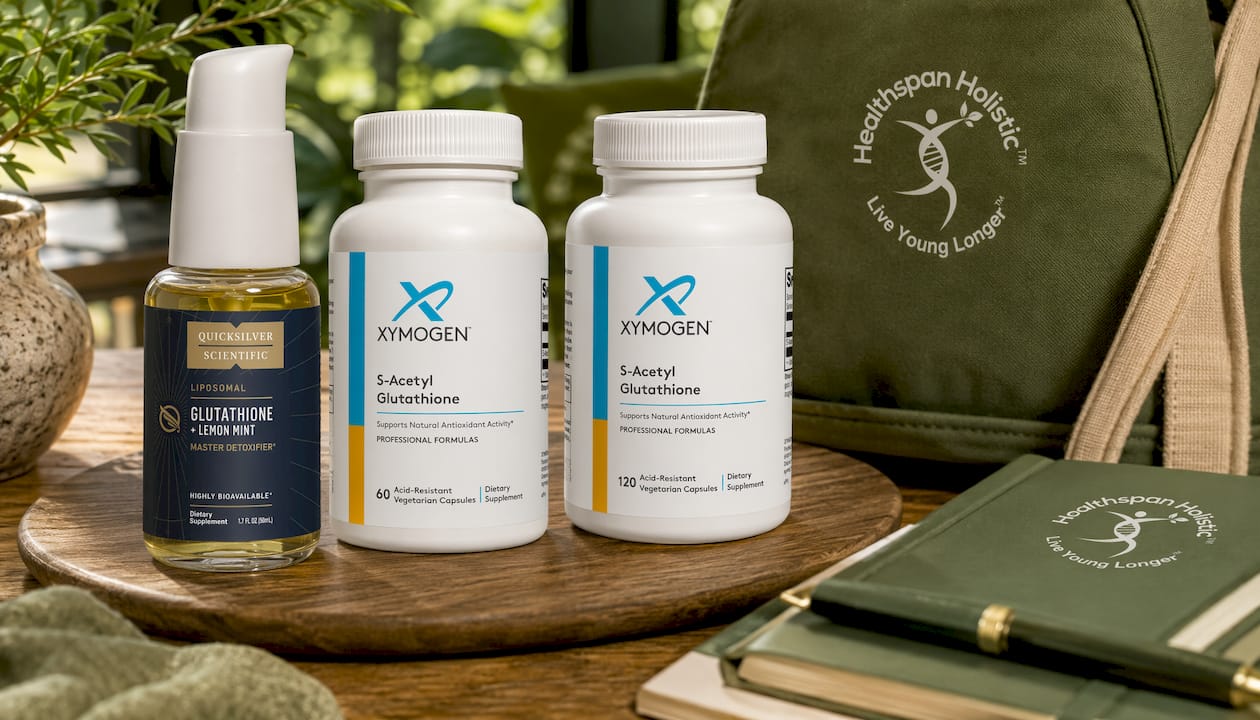
The Liposomal Glutathione 1.7 fl oz uses phospholipid encapsulation to protect glutathione through the gut and deliver it where it counts. For those who prefer capsules, S-Acetyl Glutathione 60 Capsules offers the acetylated form that crosses cell membranes more readily than standard glutathione. Need a longer supply? The S-Acetyl Glutathione 120 Capsules keeps you covered for months of consistent daily support.
1st-Time Customers can take advantage of our BUY 1 GET 1 50% OFF special offer on all supplements.
Browse the full collection at Healthspan Holistic and find the glutathione support that fits your health goals and your budget.
FAQ
What are glutathione injections good for?
Glutathione injections are used for liver detoxification support, immune function, chemotherapy toxicity reduction, and cosmetically for skin lightening by inhibiting the tyrosinase enzyme that drives melanin production.
How much does a glutathione shot cost?
Costs vary by clinic, dose, and location and are almost always paid out-of-pocket since insurance rarely covers this therapy. Oral liposomal and S-acetyl glutathione supplements offer a significantly more affordable daily alternative.
How many glutathione injections should I take?
Typical induction protocols require 1–3 sessions per week initially with 600–2,400 mg per session, administered intravenously over 15–60 minutes, followed by maintenance at a reduced frequency. Your provider should tailor the schedule to your individual health goals.
What are the serious side effects of glutathione injections?
Rare but documented serious side effects include Stevens-Johnson syndrome, allergic reactions, and liver toxicity, most often linked to contaminated compounded products. The FDA issued a safety alert in 2019 about risks from dietary-grade compounding sources.
Is glutathione injection safe for long-term use?
Long-term safety data is limited. Theoretical concerns include suppression of endogenous glutathione synthesis and reductive stress at high doses. Qualified clinical supervision and pharmaceutical-grade product sourcing are the minimum standards for anyone pursuing ongoing injection therapy.
Leave a comment: