

TL;DR:
- Inflammation is a natural immune response that aids healing and is not inherently harmful.
- Chronic inflammation, caused by unresolved triggers, contributes to aging and chronic disease.
- Lifestyle choices like diet, exercise, stress management, and regular testing help control inflammation.
Inflammation gets a bad reputation. Most people assume that swelling, redness, or pain means something has gone wrong, when in reality these are signs that your body is actively working to heal itself. Inflammation is your immune system’s response to injury, germs, or toxins, and it is not inherently harmful. The real problem arises when this protective process overstays its welcome and becomes chronic. In this article, we break down exactly what inflammation is, how it differs from its chronic counterpart, and what evidence-based holistic strategies you can use to take control of your vitality, starting today.
Key Takeaways
| Point | Details |
|---|---|
| Inflammation explained | Inflammation is your body’s protective response but can become harmful if chronic. |
| Diet matters | Mediterranean foods, exercise, and stress reduction can lower your inflammation risk. |
| Monitor proactively | Blood tests like CRP and WBC help detect inflammation early for prompt action. |
| Avoid risk factors | Cutting processed foods, sugars, and red meats helps reduce chronic inflammation. |
| Holistic support | Integrating evidence-based lifestyle changes and supplements fosters lasting wellness. |
Defining inflammation: The body’s natural defense
Think of inflammation as your body’s first responder. The moment you cut your finger, breathe in a pathogen, or strain a muscle, your immune system sends a rapid, coordinated response to contain the damage and begin repair. This is inflammation doing its job, and it is a remarkable process.
The five signs of inflammation that physicians have recognized for centuries are:
- Redness (rubor): increased blood flow to the affected area
- Heat (calor): warmth caused by that same rush of blood
- Swelling (tumor): fluid accumulation as immune cells flood the site
- Pain (dolor): chemical signals alerting you to protect the area
- Loss of function (functio laesa): temporary restriction that encourages rest and recovery
Behind these visible signs is a sophisticated chain of events. When tissue is damaged, cells release chemical mediators including histamine and bradykinin. These compounds cause blood vessels to widen (vasodilation) and become more permeable, allowing white blood cells to move from the bloodstream into the damaged tissue. Once there, these cells engulf pathogens and cellular debris, clearing the way for healing.
Key insight: Inflammation is not a malfunction. It is one of evolution’s most elegant survival tools. Without it, a simple infection could be fatal.
For those of us over 45, understanding this mechanism matters because our inflammatory response can become less precise over time. The immune system’s signaling can grow noisier, making it harder to distinguish genuine threats from everyday cellular wear and tear. This is why proactive awareness is so valuable at this stage of life.
Statistic to know: Research confirms that the five classic signs of inflammation are universal markers of immune activity, present across virtually every inflammatory condition, from a sprained ankle to a respiratory infection. Recognizing them helps you respond wisely rather than react with alarm.
Inflammation, in its acute form, is protective and purposeful. The challenge, as we will explore next, is when it fails to resolve.
Acute vs. chronic inflammation: How they differ
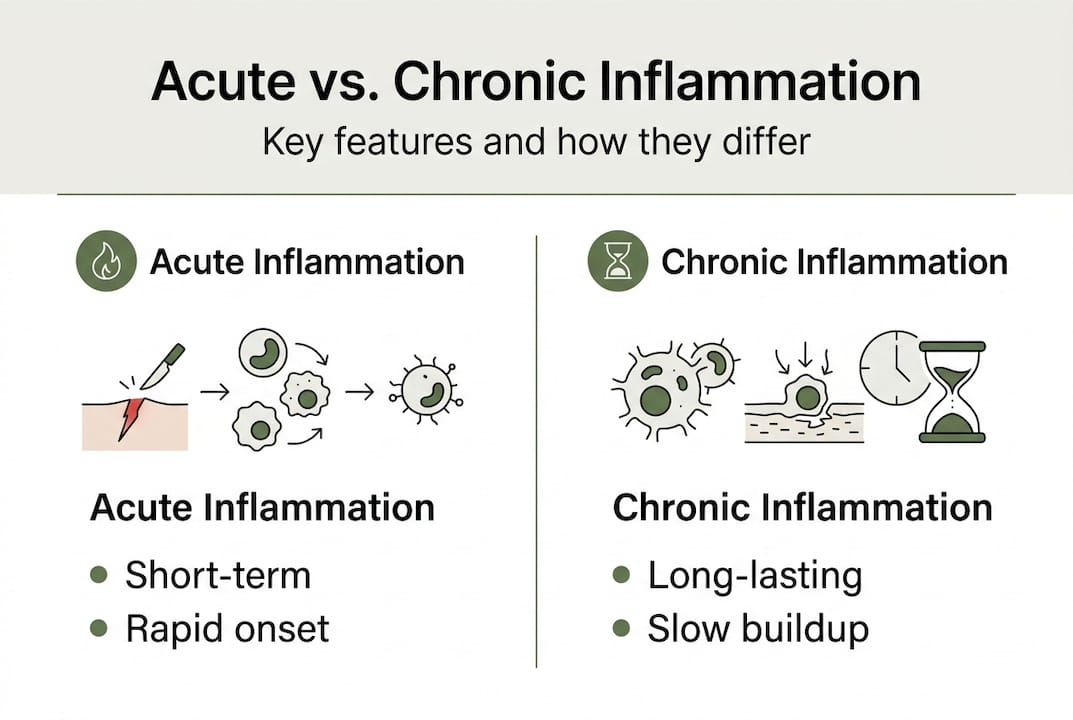
Understanding the signs, let’s explore why inflammation sometimes becomes chronic and problematic.
| Feature | Acute inflammation | Chronic inflammation |
|---|---|---|
| Duration | Days to weeks | Months to years |
| Purpose | Protective, resolves injury | Persistent, often harmful |
| Triggers | Infection, injury, toxins | Unresolved triggers, autoimmunity |
| Outcome | Healing and resolution | Tissue damage, disease risk |
| Common markers | Redness, swelling, pain | Fatigue, joint pain, elevated CRP |
Acute inflammation is short-lived and purposeful. Once the threat is neutralized, immune cells undergo a programmed cell death process called apoptosis, and the tissue returns to normal. Acute inflammation resolves through this controlled shutdown, preventing unnecessary damage.

Chronic inflammation is a different story. It develops when the initial trigger is never fully resolved, when the immune system mistakenly attacks healthy tissue (as in autoimmune conditions), or when low-grade irritants like excess body fat, processed foods, or chronic stress keep the alarm bells ringing. The result is a slow, smoldering fire that damages tissues over time.
Cytokines, which are small proteins that coordinate immune activity, play a central role here. In chronic inflammation, pro-inflammatory cytokines like TNF-alpha and IL-6 remain elevated, contributing to conditions including cardiovascular disease, type 2 diabetes, and cognitive decline. Chronic inflammation’s dual nature means it can quietly accelerate aging while producing few obvious symptoms until significant damage has occurred.
For people between 45 and 75, this is especially relevant. Aging itself is associated with a phenomenon researchers call “inflammaging,” a low-grade, chronic inflammatory state that makes the body more vulnerable to persistent inflammation. Your immune system becomes less efficient at resolving responses, which means triggers that once caused brief acute flares can linger far longer.
“The fire that once protected you can, if left unmanaged, slowly burn down the house.”
Pro Tip: If you regularly feel fatigued without a clear reason, experience joint stiffness in the morning, or notice that minor injuries take longer to heal than they used to, these may be subtle signals of low-grade chronic inflammation worth discussing with your health provider.
Diet and lifestyle: Impact on inflammation risk
Recognizing chronic inflammation’s dangers, let’s see how everyday choices can tip the balance.
What you eat is one of the most powerful levers you have for controlling inflammation. Researchers use a tool called the Dietary Inflammatory Index (DII) to measure how pro-inflammatory or anti-inflammatory a person’s overall diet is. A higher DII score is linked to significantly higher odds of cardiovascular disease, type 2 diabetes, and hypertension, conditions that already become more common after age 45.
| Pro-inflammatory foods | Anti-inflammatory foods |
|---|---|
| Red and processed meats | Fatty fish (salmon, sardines) |
| Refined sugars and white flour | Colorful vegetables and fruits |
| Trans fats and fried foods | Olive oil and avocados |
| Sugary beverages | Green tea and turmeric |
| Ultra-processed snack foods | Nuts, seeds, and legumes |
The Mediterranean diet consistently stands out as one of the most effective anti-inflammatory eating patterns. Rich in omega-3 fatty acids, polyphenols, fiber, and healthy fats, it has been shown to lower inflammatory markers and reduce disease risk. Mediterranean diet and exercise together form a powerful combination for reducing chronic inflammation.
Beyond food, two lifestyle factors deserve attention: stress and physical inactivity. Chronic psychological stress elevates cortisol, which over time disrupts immune regulation and promotes inflammatory signaling. Sedentary behavior compounds this by reducing the body’s natural anti-inflammatory mechanisms, including the release of myokines (anti-inflammatory proteins released during muscle contraction).
Here are five practical steps to lower your inflammation risk:
- Prioritize colorful produce at every meal. Aim for at least five servings of vegetables and fruit daily.
- Replace refined carbohydrates with whole grains like oats, quinoa, and brown rice.
- Add fatty fish to your plate two to three times per week for omega-3 support.
- Move your body daily. Even a 30-minute walk lowers inflammatory markers measurably.
- Practice a daily stress-reduction habit, whether that is deep breathing, meditation, or time in nature.
Pro Tip: Spices are underrated inflammation fighters. Turmeric (with black pepper to boost absorption), ginger, and cinnamon all carry meaningful anti-inflammatory properties. Add them generously to your cooking.
Monitoring and managing inflammation: Holistic proactive strategies
With lifestyle choices in mind, let’s look at how you can monitor, manage, and proactively support your health.
One of the most empowering things you can do is measure your inflammation, not guess at it. Two widely used markers are C-reactive protein (CRP) and white blood cell count (WBC). Elevated CRP in particular is a reliable signal of systemic inflammation. Monitoring via CRP and WBC alongside consistent lifestyle shifts can help prevent the development of multiple chronic conditions, a state known as multimorbidity.
Here is a practical framework for holistic inflammation management:
- Get tested regularly. Ask your doctor for a high-sensitivity CRP (hs-CRP) test as part of your annual bloodwork. This gives you a baseline and tracks your progress over time.
- Optimize sleep. Poor sleep is one of the fastest ways to spike inflammatory markers. Aim for seven to nine hours in a consistent sleep window that aligns with your natural circadian rhythm.
- Support your gut. A diverse, fiber-rich diet feeds beneficial gut bacteria that produce short-chain fatty acids, which actively reduce inflammation.
- Reduce toxic load. Alcohol, tobacco, and environmental pollutants all trigger inflammatory pathways. Minimizing exposure matters more than most people realize.
- Stay socially connected. Loneliness and social isolation are independently associated with elevated inflammatory markers. Community and connection are genuine health tools.
It is also important to recognize when inflammation requires urgent medical attention. Severe acute cases like septicemia (blood poisoning) and cytokine storms (an overwhelming immune overreaction) are medical emergencies. Autoimmune conditions, where the immune system attacks healthy tissue, also require specialized medical care beyond lifestyle adjustments alone.
Pro Tip: Explore anti-inflammatory food strategies as a starting point, but pair them with regular lab testing so you can see real, measurable results rather than relying on how you feel alone.
A fresh perspective: Why managing inflammation is the true path to lasting vitality
Here is something we believe deeply at Healthspan Holistic: managing inflammation is not about finding one miracle supplement or following a single dietary trend. It is about building a consistent, multidimensional lifestyle that your body can rely on every single day.
We see many people over 45 who have tried quick fixes, whether that is a single antioxidant, a detox cleanse, or an elimination diet, only to feel frustrated when the results fade. The reason is simple. Chronic inflammation is driven by multiple overlapping factors: diet, stress, sleep, movement, gut health, and even your social environment. Addressing only one of these while ignoring the others is like patching one hole in a leaky boat.
What truly works is integration. When you combine nutrient-dense eating with regular movement, quality sleep, stress reduction, and targeted supplementation based on your actual lab results, you create conditions where your body can regulate inflammation naturally and efficiently. This is not a one-time fix. It is an ongoing, evolving practice that grows with you. And the reward is not just fewer aches. It is more energy, sharper thinking, and a longer healthspan.
Support your wellness journey with holistic solutions
Taking control of inflammation starts with the right tools and the right support. At Healthspan Holistic, we have curated professional-grade supplements specifically designed for individuals over 45 who are ready to take a proactive approach to their wellness.
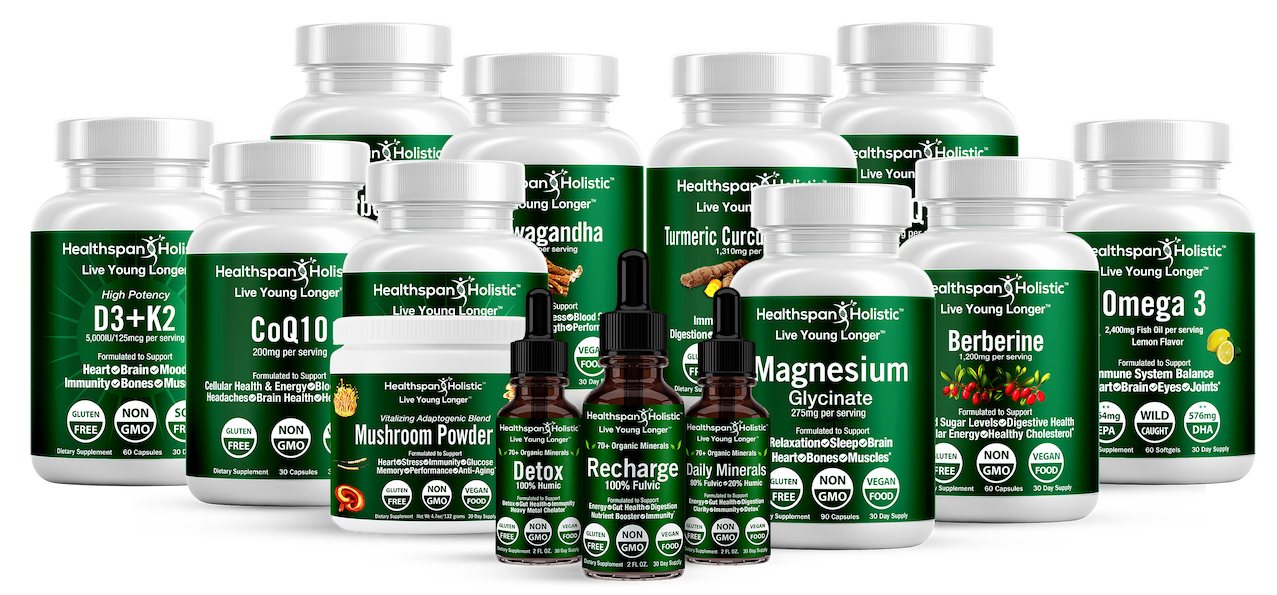
Our inflammation balancing support collection includes targeted options like our vitamin D3 + K2 supplement, which supports immune regulation and bone health, and our humic mineral detox to help reduce toxic load. And right now, first-time customers receive a BOGO 50% off deal, meaning you buy one and get a second at 50% off. Visit our holistic supplement shop to explore everything we offer and take your next step toward lasting vitality.
Frequently asked questions
How can I tell if I have chronic inflammation?
Chronic inflammation is often identified through persistent symptoms like fatigue, joint pain, or brain fog, confirmed by elevated CRP and WBC markers in routine bloodwork. A high-sensitivity CRP test is one of the most reliable early indicators.
Which foods increase inflammation?
Red and processed meats, refined sugars, and ultra-processed foods are among the top contributors to higher inflammation levels. Research confirms that pro-inflammatory diets significantly raise the risk of cardiovascular disease, diabetes, and hypertension.
What lifestyle changes can reduce inflammation?
Adopting a Mediterranean diet, committing to daily movement, and practicing consistent stress management can meaningfully lower inflammation risk. Mediterranean diet and exercise together are among the most evidence-backed strategies available.
Are there medical emergencies related to inflammation?
Yes. Septicemia and cytokine storms are severe acute inflammation events that require immediate emergency medical care and should never be managed at home.
Recommended
- High Potency Vitamin D3 + K2 Supplement 60 | Healthspan Holistic
- News
- 2oz Daily Minerals Fulvic Humic Concentrate for Fulvic Acid Benefits
- 2oz Recharge Fulvic Acid Supplements | Healthspan Holistic
- 7 Inflammation Reducing Foods to Boost Daily Wellness - Dietium
- Top herbs for holistic wellness: relief for inflammation & swelling – Gutted.
Leave a comment: